Rehab & Recovery
CHIROPRACTIC CARE & THE MCKENZIE METHOD
What evidence-based chiropractic care actually looks like, how the McKenzie Method works, what conditions it treats, and why our approach is designed to make you independent -- not dependent.
Medically reviewed by Dr. Michael Gontarek, DC, MSc, DACBN · Updated March 2, 2026
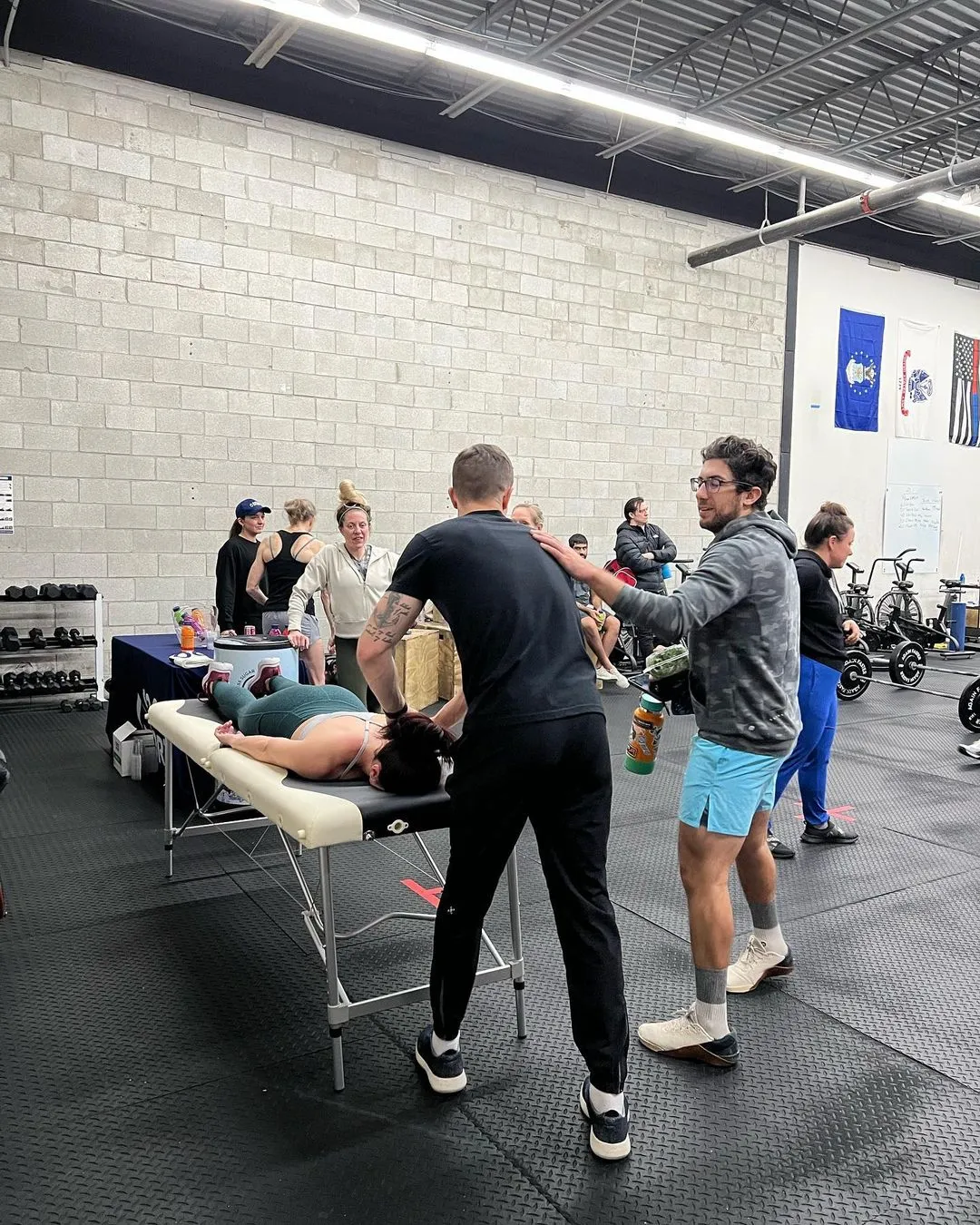
WHAT IS EVIDENCE-BASED CHIROPRACTIC?
Chiropractic care, at its core, involves the assessment, diagnosis, and treatment of musculoskeletal conditions -- primarily those involving the spine. The practitioner uses manual techniques including joint manipulation, mobilization, and soft tissue work to restore function, reduce pain, and improve movement.
But not all chiropractic is the same. The profession has a wide spectrum. On one end, you have traditional subluxation-based chiropractic, which operates on the theory that vertebral misalignments ("subluxations") interfere with nervous system function and cause disease. This model often emphasizes lifelong maintenance adjustments -- weekly or biweekly visits indefinitely, regardless of symptoms. On the other end, you have evidence-based chiropractic, which uses clinical research, specific diagnosis, measurable outcomes, and defined treatment endpoints to guide care.
The difference matters. Evidence-based chiropractic treats a specific problem with a specific plan and a specific endpoint. You come in with a complaint, you get assessed, you get treated, you learn how to manage it, and you leave. The goal is discharge, not dependence. You should not need to see a chiropractor every week for the rest of your life any more than you should need to see a physical therapist every week for the rest of your life.
At Moonshot, we practice evidence-based chiropractic with a strong emphasis on the McKenzie Method. Treatment combines manual therapy -- manipulation and mobilization where clinically indicated -- with corrective exercise, patient education, and self-management strategies. The measure of success is not how many visits you attend. It's how quickly you become independent.
Key distinction: If a chiropractor tells you that you need to come in multiple times per week for months or years with no defined endpoint, that's a business model, not a treatment plan. Evidence-based care has measurable goals, objective progress markers, and a discharge plan from day one.
THE MCKENZIE METHOD (MDT)
The McKenzie Method -- formally known as Mechanical Diagnosis and Therapy (MDT) -- was developed by New Zealand physiotherapist Robin McKenzie in the 1960s. It is one of the most extensively researched and widely used assessment and treatment systems for spinal and extremity conditions in the world. Over 4,000 clinicians in more than 30 countries are credentialed in MDT through the McKenzie Institute International.
The central premise is mechanical: most musculoskeletal pain has a mechanical cause, and therefore it has a mechanical solution. The clinician's job is to identify which specific movements and positions make the patient better and which make them worse -- then use that information to classify the problem and design a treatment strategy built around patient self-treatment.
The Three Syndromes
MDT classifies musculoskeletal conditions into three mechanical syndromes, each with distinct characteristics and treatment approaches. This classification drives treatment -- the syndrome determines the strategy, not a one-size-fits-all protocol.
1. Derangement Syndrome
The most common classification, accounting for roughly 70-80% of spinal presentations. Derangement involves a disturbance in the normal resting position of the joint's articular surfaces -- often involving the intervertebral disc. The hallmark feature is a directional preference: the patient's symptoms change (improve or worsen) in a predictable and repeatable way with specific movements or sustained positions. For example, a patient with a lumbar derangement may find that repeated extension (backward bending) centralizes their pain -- moves it from the leg or buttock back toward the midline of the spine -- while flexion peripheralizes it (sends it further into the leg). The treatment is to load the spine in the direction of preference repeatedly. The concept of centralization -- originally described by McKenzie and later validated by research from Donelson, Long, and others -- is a strong positive prognostic indicator. Patients who centralize tend to have better outcomes regardless of what specific treatment they receive.
2. Dysfunction Syndrome
Dysfunction involves pain produced at the end range of movement due to shortened or scarred soft tissue -- adhesions, fibrosis, or adaptive shortening from prolonged immobility, prior injury, or surgery. The pain is produced only at the endpoint of the restricted movement, not during the movement itself. The pain does not change location or intensity with repeated movements (unlike derangement). Treatment involves repeated loading at end range to remodel the shortened tissue and progressively restore normal range of motion. This is a slower process -- tissue remodeling takes weeks to months.
3. Postural Syndrome
Postural syndrome involves pain caused by sustained end-range loading of normal tissue -- essentially, pain from holding a position too long. There is no pathology, no tissue damage, and no movement restriction. The pain is produced by prolonged positioning (sitting slouched for hours, for example) and is immediately abolished by correcting the posture. Treatment is education: correct the posture, correct the ergonomics, and the pain resolves. No manipulation, no exercise, no ongoing treatment. This is the simplest syndrome but often the most overlooked.
Directional Preference
The concept of directional preference is central to MDT and backed by substantial research. During the mechanical assessment, the clinician tests repeated movements in multiple directions -- flexion, extension, lateral movements, rotation -- and observes the response. If one direction consistently reduces, centralizes, or abolishes the patient's symptoms, that is the directional preference. Treatment is then built around loading the spine or joint in that specific direction through repeated end-range movements. This is not guesswork -- it is a systematic, testable, reproducible clinical finding. A 2004 study by Long et al. published in Spine showed that patients who received exercises matching their directional preference had significantly better outcomes than those who received non-matching or general exercises.
Why Self-Treatment Matters
The single most important feature of MDT is the emphasis on patient self-treatment. The clinician identifies the syndrome, determines the directional preference, and then teaches the patient specific exercises and positions to perform independently -- multiple times per day, at home, at work, wherever they are. The patient becomes their own therapist. This is not a philosophical preference; it is a clinical strategy. A condition driven by mechanical forces needs to be managed with mechanical forces applied frequently. A 20-minute clinic visit twice per week cannot compete with a patient who performs their directional exercises 6-8 times per day. The math is straightforward: self-treatment provides a higher dose of the therapeutic stimulus.
HOW CHIROPRACTIC TREATMENT WORKS
Chiropractic treatment uses manual techniques -- primarily joint manipulation and mobilization -- to restore normal joint mechanics, reduce pain, and improve function. The mechanisms are well studied, though the field continues to refine its understanding. Here's what happens physiologically when a chiropractor treats you:
Joint Manipulation (High-Velocity, Low-Amplitude Thrust)
Spinal manipulation -- the "adjustment" -- involves a controlled, quick thrust applied to a joint that has restricted motion. The high-velocity, low-amplitude (HVLA) thrust takes the joint briefly past its passive range of motion but within its anatomical limit. The audible "pop" or "crack" (cavitation) is simply the release of gas bubbles from the synovial fluid within the joint capsule as the joint surfaces separate momentarily. The sound is not bones cracking and is not required for a successful treatment.
Mechanically, manipulation restores joint mobility by breaking adhesions, stretching the joint capsule, and resetting the mechanoreceptors that provide the brain with information about joint position and movement. Neurophysiologically, the thrust activates large-diameter mechanoreceptors (A-beta fibers) in the joint capsule and surrounding tissues, which inhibit pain signaling at the spinal cord level via the gate control mechanism first described by Melzack and Wall in 1965. This is why patients often experience immediate pain relief and improved range of motion after an adjustment -- the neurological input has changed, even before any structural tissue remodeling occurs.
Joint Mobilization (Low-Velocity, Graded Oscillations)
Mobilization is a gentler approach that uses slow, rhythmic, oscillating movements applied within the joint's available range of motion. Maitland graded mobilizations range from Grade I (small amplitude, beginning of range) to Grade IV (large amplitude, end of range). Grade V is the HVLA thrust described above. Mobilization is used when manipulation is contraindicated, when the patient prefers a gentler approach, or when the clinical picture calls for it -- such as in acute, highly irritable presentations where a thrust would be too provocative.
The physiological effects overlap with manipulation: stimulation of mechanoreceptors, activation of the gate control mechanism, reduced muscle guarding, and improved joint nutrition through enhanced synovial fluid circulation. Mobilization also has a well-documented effect on reducing sympathetic nervous system tone, which helps decrease the muscle guarding and hypertonicity that often accompany painful spinal conditions.
Muscle Guarding and Reflex Inhibition
Painful spinal conditions almost always involve protective muscle guarding -- the body splints the area with sustained muscle contraction to prevent movement of the painful segment. This guarding is reflexive and involuntary, mediated by spinal cord reflexes. While initially protective, sustained guarding creates its own pain cycle: the chronically contracted muscles develop ischemia, accumulate metabolic waste, and become a secondary pain source.
Both manipulation and mobilization interrupt this cycle. The mechanical input from the treatment stimulates proprioceptive pathways that override the guarding reflex, allowing the paraspinal muscles to relax. Research using surface EMG has demonstrated immediate reductions in paraspinal muscle activity following spinal manipulation. This is one reason patients feel "looser" immediately after treatment -- the muscles have genuinely reduced their tone.
McKenzie-Specific Mechanisms: Repeated End-Range Loading
In the McKenzie Method, the primary treatment tool for derangement syndrome is repeated end-range loading -- moving the joint to the end of its available range in the directional preference and repeating that movement multiple times. The proposed mechanism involves hydraulic effects on the intervertebral disc: repeated loading in the direction of preference may influence the position of nuclear material within the disc, reducing pressure on pain-sensitive structures (the posterior annulus and adjacent nerve roots).
The centralization phenomenon -- where pain progressively moves from the periphery (arm or leg) back toward the midline of the spine during repeated movements -- is a key clinical finding. Centralization has been validated as both a classification tool and a prognostic indicator. Werneke and Hart (2001) demonstrated that patients who centralize during the initial assessment have significantly better outcomes at discharge and follow-up, regardless of the treatment approach used. This makes the McKenzie assessment valuable even when the treatment itself involves techniques outside the MDT framework.
Descending Pain Modulation
Beyond the local mechanical and segmental neurological effects, spinal manipulation activates descending inhibitory pain pathways from the brainstem -- specifically the periaqueductal gray (PAG) and rostral ventromedial medulla (RVM). This has been demonstrated in studies measuring temporal summation and pressure pain thresholds before and after manipulation. Bialosky et al. (2009) published a comprehensive neurophysiological model in Manual Therapy showing that manual therapy produces hypoalgesia (reduced pain sensitivity) through multiple overlapping mechanisms: peripheral, spinal, and supraspinal. The clinical effect is both local and regional pain relief -- explaining why a lumbar manipulation can improve pain not just at the treated segment but across the entire low back and into the lower extremities.
CONDITIONS TREATED
Evidence-based chiropractic care with the McKenzie Method is effective for a wide range of musculoskeletal conditions. The following represent the most common presentations we treat:
Low Back Pain
The most common reason people see a chiropractor. Mechanical low back pain -- including facet joint dysfunction, disc-related pain, sacroiliac joint dysfunction, and nonspecific low back pain -- responds well to spinal manipulation combined with McKenzie directional exercises. The 2017 American College of Physicians guidelines recommend spinal manipulation as a first-line treatment for acute and chronic low back pain before considering medication.
Neck Pain
Cervical manipulation and mobilization are supported by multiple systematic reviews for mechanical neck pain. Common presentations include cervical facet dysfunction, acute torticollis, cervical disc irritation, and postural-related neck pain. The McKenzie assessment is particularly valuable for the cervical spine, where identifying a directional preference helps determine whether the patient needs extension, retraction, or lateral exercises.
Disc Herniations & Bulges
Contrary to what many patients believe, disc herniations and bulges are often effectively managed conservatively. McKenzie-based treatment with directional preference exercises is one of the most studied approaches for disc-related pain. The centralization response during assessment helps determine whether conservative management is appropriate. Research shows that patients with disc herniations who centralize have outcomes comparable to surgical patients at one-year follow-up.
Sciatica
True sciatica -- radicular pain following the sciatic nerve distribution into the posterior thigh and leg -- is typically caused by lumbar disc herniation compressing the L4, L5, or S1 nerve root. McKenzie exercises that centralize the leg pain (pulling it out of the leg and back toward the spine) are a primary treatment strategy. Spinal manipulation and neural mobilization techniques are used as adjuncts. Most cases resolve within 6-12 weeks with conservative care.
Headaches (Cervicogenic & Tension-Type)
Cervicogenic headaches originate from the upper cervical spine (C1-C3) and refer pain into the head via the trigeminocervical nucleus. Tension-type headaches are often perpetuated by cervical dysfunction and myofascial trigger points in the suboccipital, upper trapezius, and sternocleidomastoid muscles. Cervical manipulation, mobilization, and targeted exercises reduce headache frequency and intensity. A 2019 Cochrane review found moderate-quality evidence supporting spinal manipulative therapy for cervicogenic headache.
Thoracic & Mid-Back Pain
Thoracic pain is commonly related to costovertebral and costotransverse joint dysfunction, thoracic facet irritation, or postural strain from prolonged sitting. Thoracic manipulation is one of the most satisfying treatments in chiropractic -- it often produces immediate and significant relief. The thoracic spine is also treated when cervical or shoulder conditions are present, as thoracic hypomobility frequently contributes to compensatory cervical and shoulder dysfunction.
Shoulder Impingement
Shoulder impingement is rarely just a shoulder problem. Thoracic kyphosis, cervical dysfunction, and scapular dyskinesis are common contributors. Chiropractic treatment addresses the entire kinetic chain: thoracic manipulation to restore extension, cervical treatment to normalize nerve function to the shoulder girdle muscles, and targeted scapular stabilization exercises. The McKenzie Method includes extremity assessment protocols that apply the same directional preference principles to shoulder conditions.
Post-Surgical Rehabilitation
Following spinal surgery (discectomy, laminectomy, fusion), chiropractic care plays a role in restoring mobility to adjacent segments, addressing compensatory movement patterns, and preventing recurrence. Treatment is modified to respect surgical constraints -- no manipulation at the surgical level, focus on mobilization of adjacent segments and progressive exercise. McKenzie exercises are used to restore directional movement patterns and rebuild the patient's confidence in spinal loading.
WHAT THE EVIDENCE SAYS
Both spinal manipulation and the McKenzie Method have substantial evidence bases. The research is clear: manual therapy combined with exercise is more effective than either alone, and evidence-based chiropractic care is a first-line treatment option for most common spinal conditions.
Spinal Manipulation for Low Back Pain
A 2017 systematic review and meta-analysis published in JAMA by Paige et al. evaluated 26 randomized controlled trials and concluded that spinal manipulative therapy is associated with statistically significant improvements in pain and function for acute low back pain. The American College of Physicians (ACP) 2017 clinical practice guidelines recommend spinal manipulation as a first-line, non-pharmacological treatment for both acute and chronic low back pain -- ahead of medications.
The UK NICE (National Institute for Health and Care Excellence) guidelines similarly recommend manual therapy -- including spinal manipulation -- as part of a treatment package for low back pain with or without sciatica. These are not fringe endorsements; these are the most authoritative clinical practice guidelines in medicine.
McKenzie Method Systematic Reviews
A 2012 Cochrane review by Clare et al. examined the McKenzie Method for low back pain and found it produced greater short-term reductions in pain and disability compared to passive therapies. The review also noted that McKenzie was as effective as other standard treatments (general exercise, manipulation, stabilization exercises) but with the added advantage of promoting patient self-management and requiring fewer clinical visits.
Lam et al. (2018) published a systematic review in the Journal of Orthopaedic & Sports Physical Therapy evaluating MDT for spinal conditions. The review concluded that the McKenzie classification system demonstrates good reliability and that treatment matched to classification produces superior outcomes compared to unmatched or generic exercise programs. This is a critical finding: it validates the classification-based approach over the "one-size-fits-all" exercise prescription common in many clinics.
Manipulation Plus Exercise vs. Either Alone
Bronfort et al. (2011) published a landmark RCT in the Annals of Internal Medicine comparing spinal manipulation plus exercise to exercise alone and to medication alone for chronic low back pain. The combination of manipulation and exercise produced the best outcomes in both pain and patient satisfaction at 12-month follow-up. This supports the treatment model we use: manual therapy opens the window of opportunity -- reducing pain and restoring mobility -- and exercise exploits that window by reinforcing proper movement patterns and building stability.
UK BEAM Trial (2004), published in the BMJ, randomized 1,334 patients with low back pain to four groups: best care in general practice, best care plus manipulation, best care plus exercise, and best care plus manipulation and exercise. The manipulation plus exercise group demonstrated the greatest improvement in function at 12 months. This was one of the largest pragmatic trials ever conducted for low back pain and directly supports the combined approach.
Centralization and Outcomes
Long et al. (2004) published a pivotal RCT in Spine that randomized 312 patients with low back pain (with or without leg pain) into three groups: exercises matching their directional preference, exercises opposite to their directional preference, and evidence-based general exercises. The directional preference group had significantly better outcomes in pain, function, and medication use. The opposite-direction group actually had worse outcomes than the general exercise group -- meaning that doing the wrong direction actively harmed patients. This study demonstrated that classification-based treatment is not just preferable; doing the wrong exercise can make people worse.
The bottom line: Spinal manipulation is recommended as a first-line treatment for low back pain by the ACP, NICE, and multiple international guidelines. The McKenzie Method has Cochrane-level evidence supporting its effectiveness and its classification system. The combination of manipulation and matched exercise produces the best outcomes. This is not alternative medicine -- it is guideline-concordant, evidence-based care.
WHAT TO EXPECT
Here is exactly what a course of care looks like from first visit to discharge:
First Visit (45-60 Minutes)
History: A detailed review of your complaint -- when it started, what makes it better or worse, how it affects your daily activities, prior treatments, imaging, and relevant medical history. This is not a checkbox form; it is a clinical conversation designed to identify the mechanical pattern of your condition.
Mechanical examination: The core of the McKenzie assessment. You will be asked to perform repeated movements in multiple directions -- flexion, extension, lateral movements -- while the clinician observes and records the symptomatic response to each. This is how the directional preference is identified and the syndrome is classified. The mechanical exam also includes neurological screening (reflexes, sensation, muscle strength) when indicated.
Diagnosis and plan: You will receive a clear explanation of what is going on, what syndrome classification you fall into, and what the treatment plan looks like -- including estimated number of visits and what you will be doing at home. If imaging is needed, it will be ordered. If your condition requires referral to another specialist, that will be communicated directly.
First treatment and home program: Treatment begins on the first visit. You will leave with specific exercises to perform at home, with clear instructions on frequency, sets, and what responses to watch for.
Follow-Up Visits (20-30 Minutes)
Each follow-up begins with reassessment -- how did your symptoms respond to the home exercises? Did the pain centralize, decrease, stay the same, or worsen? This response data guides treatment progression. If centralization is occurring, the exercises are progressed. If the response is not as expected, the classification is revisited and the approach is adjusted.
Treatment may include spinal manipulation or mobilization, soft tissue work, dry needling, and exercise instruction. The manual therapy component decreases over time as the patient becomes more proficient with self-management. The exercise program is progressively loaded -- starting with pain-modulating directional exercises and advancing to strength, stability, and functional exercises.
Typical Course of Care (6-8 Visits)
Most patients with acute or subacute conditions see significant improvement within 6 to 8 visits over 3 to 6 weeks. Acute presentations (recent onset, first episode) often resolve faster. Chronic conditions or post-surgical cases may require a longer course. Progress is tracked with objective measures: pain ratings, range of motion, functional outcomes (Oswestry Disability Index for low back, Neck Disability Index for cervical spine), and patient-reported improvement.
Discharge
You graduate when you have met your functional goals, your pain is resolved or well-managed, and you are confident in your self-management program. You leave with a maintenance exercise program -- what to do daily, what to do if symptoms recur, and what signs should prompt a return visit. The door is always open if something new comes up, but the expectation is that you will not need to return for the same problem.
COMMON QUESTIONS
What is the McKenzie Method?
The McKenzie Method, formally called Mechanical Diagnosis and Therapy (MDT), is a globally recognized assessment and treatment system developed by New Zealand physiotherapist Robin McKenzie. It emphasizes finding specific movements and positions that reduce your pain, then teaching you to use them yourself as self-treatment. Unlike traditional chiropractic that focuses on passive adjustments, MDT is designed to make you independent -- you learn what movements help your condition and how to manage flare-ups on your own.
How is evidence-based chiropractic different from traditional chiropractic?
Traditional chiropractic often centers on subluxation theory -- the idea that misaligned vertebrae cause disease -- and emphasizes maintenance visits indefinitely. Evidence-based chiropractic uses clinical research, specific diagnoses, and measurable outcomes to guide treatment. The goal is to resolve your problem and teach you self-management, not to create a dependency on ongoing adjustments. Treatment plans have defined endpoints, progress is tracked with objective measures, and discharge is the goal -- not lifetime care.
How many visits will I need?
It depends on the condition, how long you've had it, and how your body responds. Most patients see significant improvement within 6 to 8 visits. Acute issues -- like a recent onset of low back pain -- often resolve faster, sometimes in 3 to 4 visits. Chronic or complex conditions may require more. The key difference in our approach: we set clear milestones, track progress objectively, and discharge you when you've met your goals. The goal is always graduation, not maintenance.
Do I need a referral for chiropractic care?
No. In Illinois, chiropractors are primary contact providers, which means you can book directly without a referral from a physician. You do not need a prescription or authorization to be seen. If imaging or co-management with another provider is needed, your chiropractor can order or coordinate that directly.
Does chiropractic care work for headaches?
Yes. Cervicogenic headaches -- headaches originating from dysfunction in the cervical spine -- and tension-type headaches are two of the most responsive conditions to chiropractic treatment. The upper cervical joints (C1-C3) and the muscles of the suboccipital region refer pain into the head in well-documented patterns. Spinal manipulation, mobilization, and McKenzie-based exercises targeting the cervical spine can reduce headache frequency, intensity, and duration. Multiple clinical trials support this, including a 2019 systematic review in Cephalalgia showing spinal manipulative therapy is effective for cervicogenic headache.
References
- 1. Paige NM, et al. "Association of spinal manipulative therapy with clinical benefit and harm for acute low back pain: systematic review and meta-analysis." JAMA. 2017;317(14):1451-1460.
- 2. Qaseem A, et al. "Noninvasive treatments for acute, subacute, and chronic low back pain: a clinical practice guideline from the American College of Physicians." Ann Intern Med. 2017;166(7):514-530.
- 3. Clare HA, Adams R, Maher CG. "A systematic review of efficacy of McKenzie therapy for spinal pain." Aust J Physiother. 2004;50(4):209-216.
- 4. Long A, Donelson R, Fung T. "Does it matter which exercise? A randomized control trial of exercise for low back pain." Spine. 2004;29(23):2593-2602.
- 5. Bronfort G, et al. "Supervised exercise, spinal manipulation, and home exercise for chronic low back pain: a randomized clinical trial." Spine J. 2011;11(7):585-598.
- 6. UK BEAM Trial Team. "United Kingdom back pain exercise and manipulation (UK BEAM) randomised trial: effectiveness of physical treatments for back pain in primary care." BMJ. 2004;329(7479):1377.
- 7. Bialosky JE, et al. "The mechanisms of manual therapy in the treatment of musculoskeletal pain: a comprehensive model." Man Ther. 2009;14(5):531-538.
- 8. Werneke M, Hart DL. "Centralization phenomenon as a prognostic factor for chronic low back pain and disability." Spine. 2001;26(7):758-765.
- 9. Lam OT, et al. "Effectiveness of the McKenzie Method of Mechanical Diagnosis and Therapy for treating low back pain: literature review with meta-analysis." J Orthop Sports Phys Ther. 2018;48(6):476-490.
- 10. National Institute for Health and Care Excellence (NICE). "Low back pain and sciatica in over 16s: assessment and management." NICE guideline [NG59]. 2016 (updated 2020).
DEALING WITH BACK PAIN, NECK PAIN, OR HEADACHES?
Evidence-based chiropractic care with the McKenzie Method targets the mechanical cause of your pain and teaches you how to fix it yourself. No maintenance plans. No indefinite treatment. Get assessed, get treated, get independent.
Book Consultation