Weight Management
GLP-1 WEIGHT LOSS IN CHICAGO
Semaglutide and tirzepatide are producing real results for weight loss. But a prescription alone isn't a plan. Here's what evidence-based medical weight loss actually looks like.
Medically reviewed by Missy Zammichieli, DNP, APRN, FNP-BC · Updated March 2, 2026
GLP-1 Medications: What You Need to Know
- ● GLP-1 receptor agonists mimic a natural gut hormone that regulates appetite and blood sugar
- ● Semaglutide (Wegovy/Ozempic) targets GLP-1 receptors; average 15-17% body weight loss in trials
- ● Tirzepatide (Zepbound/Mounjaro) targets GLP-1 + GIP receptors; average 20-22% body weight loss
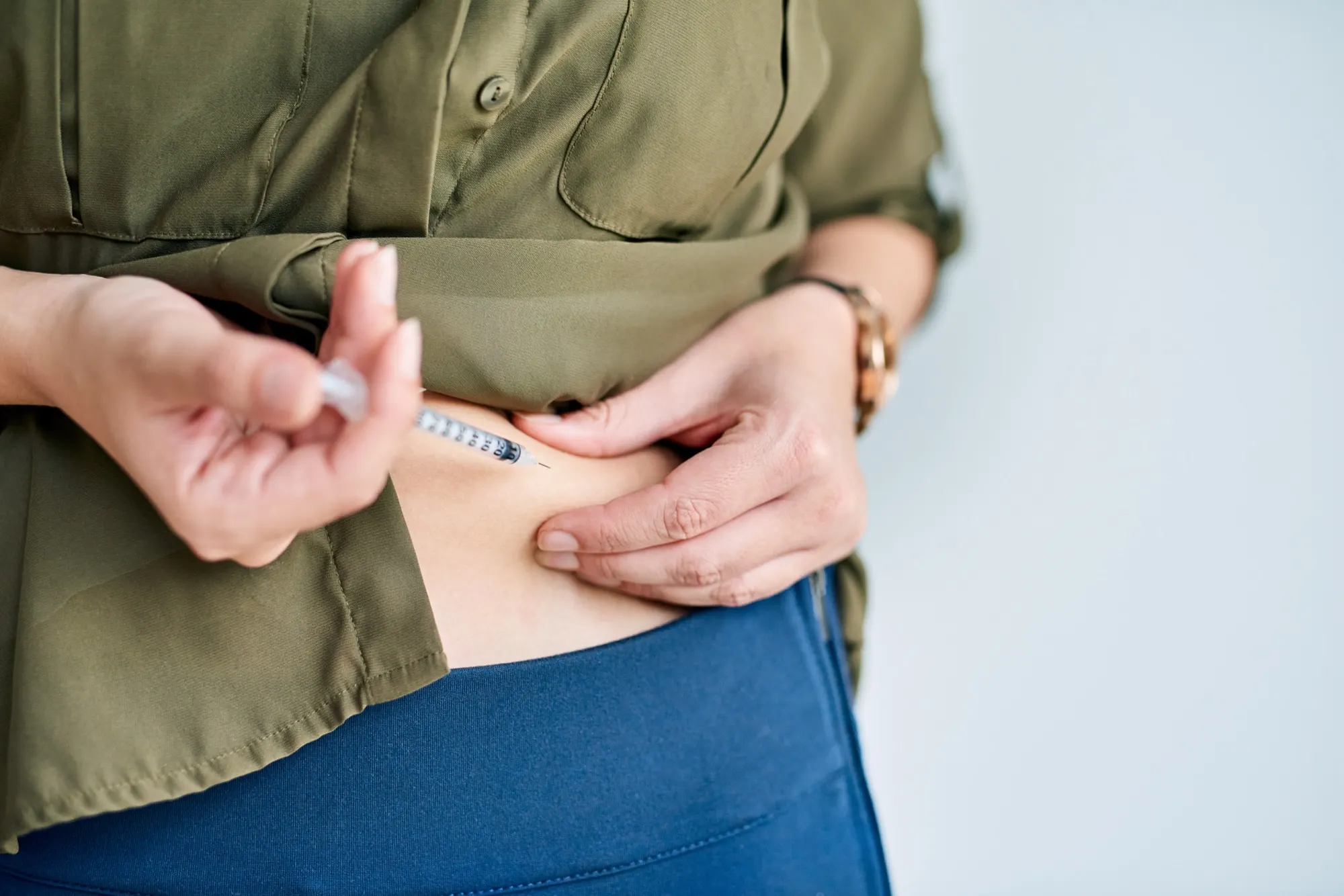
- ● Weekly subcutaneous injection with gradual dose escalation over 4-5 months
- ● Without monitoring, up to 40% of weight lost can be muscle, not fat
- ● Best outcomes require structured nutrition, resistance training, and body composition tracking
HOW GLP-1 MEDICATIONS WORK
GLP-1 receptor agonists aren't diet pills. They work through multiple physiological mechanisms that address the biological drivers of weight gain.
Appetite Regulation
GLP-1 is a naturally occurring incretin hormone released by your gut after eating. These medications mimic that hormone at higher, sustained levels, acting on receptors in the hypothalamus to reduce hunger and increase satiety.
Clinical impact: Patients consistently report reduced food noise, less preoccupation with eating, and earlier fullness at meals. This isn't willpower. It's a change in the biological signals driving appetite.
Gastric Emptying
GLP-1 agonists slow the rate at which food leaves your stomach. This produces longer-lasting fullness after meals and more stable blood sugar levels throughout the day.
Clinical impact: This mechanism is also responsible for the most common side effects (nausea, bloating) during dose escalation. Gradual titration minimizes these effects for most patients.
Insulin Sensitivity
These medications enhance insulin secretion in a glucose-dependent manner, meaning they help your body manage blood sugar more efficiently without causing dangerous drops in blood sugar (hypoglycemia).
Clinical impact: Improved insulin sensitivity reduces fat storage, especially visceral (abdominal) fat. Many patients see improvements in metabolic markers (fasting glucose, HbA1c, triglycerides) before significant weight loss occurs.
Reward Pathway Modulation
Emerging research suggests GLP-1 agonists act on brain reward centers, reducing the hedonic drive to eat. This is separate from hunger reduction and may explain reduced cravings for hyper-palatable foods.
Clinical impact: Patients frequently report decreased interest in alcohol and sugar-heavy foods. Ongoing research is exploring GLP-1 effects on other addictive behaviors.
SEMAGLUTIDE VS TIRZEPATIDE
Both medications produce clinically significant weight loss. The differences are in their mechanisms, magnitude of effect, and individual tolerability.
Semaglutide
Wegovy / Ozempic
- Mechanism: GLP-1 receptor agonist (single target)
- Weight loss: ~15-17% body weight (STEP trials, 68 weeks)
- Dosing: Weekly injection, titrated from 0.25mg to 2.4mg
- Common side effects: Nausea, vomiting, diarrhea, constipation (typically transient)
- Availability: Longer track record, more widely available
- Cardiovascular data: SELECT trial demonstrated 20% reduction in major cardiovascular events
Tirzepatide
Zepbound / Mounjaro
- Mechanism: Dual GLP-1 + GIP receptor agonist (two targets)
- Weight loss: ~20-22% body weight (SURMOUNT trials, 72 weeks)
- Dosing: Weekly injection, titrated from 2.5mg to 15mg
- Common side effects: Similar GI profile to semaglutide; some patients tolerate one better than the other
- Availability: Newer to market, periodically supply-constrained
- Cardiovascular data: SURPASS-CVOT trial ongoing; strong metabolic marker improvements observed
Which One Is Right for You?
The "better" medication depends on your individual response, tolerability, insurance coverage, and clinical goals. Some patients who don't respond well to one medication do better on the other. This is why in-person monitoring matters: we can adjust your protocol based on objective data from bloodwork and DEXA scans, not guesswork. Read our detailed comparison: Semaglutide vs Tirzepatide: A Clinical Comparison.
WHY IN-PERSON MONITORING MATTERS
A prescription is the easy part. The difference between good outcomes and great outcomes is what happens after you start the medication.
Telehealth-Only Clinics
- ✕ Prescription based on online questionnaire
- ✕ No baseline or follow-up body composition data
- ✕ No bloodwork monitoring during treatment
- ✕ Scale weight as only metric of progress
- ✕ No protocol for muscle preservation
- ✕ Limited ability to detect or manage side effects
Moonshot Medical Approach
- ✓ In-person evaluation with comprehensive bloodwork
- ✓ Baseline and follow-up DEXA body composition scans
- ✓ Regular metabolic panel monitoring (liver, kidney, thyroid, lipids)
- ✓ Fat loss vs. muscle loss tracked separately
- ✓ Structured protein and resistance training protocols
- ✓ Dose adjustments based on labs and body composition trends
The DEXA Difference
Your bathroom scale tells you one number. A DEXA scan tells you how much of your weight is fat, how much is muscle, and where it's distributed. This matters because losing 30 pounds of fat while preserving muscle is a completely different outcome than losing 20 pounds of fat and 10 pounds of muscle, even if the scale shows the same result. At our Park Ridge clinic, we use DEXA scans at baseline and regular intervals to make sure the weight you're losing is the weight you want to lose.
WHAT TO EXPECT: MONTH-BY-MONTH TIMELINE
GLP-1 therapy is a gradual process. Understanding the typical trajectory helps set realistic expectations.
Weeks 1-4: Initiation Phase
- • Starting dose is low to minimize GI side effects
- • Most patients notice reduced appetite within the first 1-2 weeks
- • Mild nausea is common and typically improves within days
- • Weight loss: 2-5 pounds (mostly water and initial caloric reduction)
- • Key focus: Establish protein intake targets and begin resistance training if not already active
- • Baseline DEXA scan and comprehensive bloodwork completed
Months 2-3: Dose Escalation
- • Dose increases every 4 weeks toward therapeutic range
- • Appetite suppression becomes more consistent
- • GI side effects may temporarily recur with each dose increase
- • Weight loss: 1-2 pounds per week typical
- • Patients often report improved energy, better sleep, reduced cravings
- • Follow-up bloodwork to check metabolic markers
Months 4-6: Therapeutic Phase
- • Most patients have reached their maintenance dose
- • Steady, consistent weight loss of 1-2 pounds per week
- • Visible changes in body composition and clothing fit
- • Metabolic markers (fasting glucose, triglycerides, HbA1c) typically improving
- • Follow-up DEXA scan to verify fat loss vs. lean mass preservation
- • Protocol adjustments based on body composition data
Months 6-12: Optimization & Sustainability
- • Rate of weight loss gradually slows as you approach a new set point
- • Focus shifts to habit consolidation and long-term sustainability
- • Some patients may taper dose while maintaining results
- • Continued DEXA monitoring to ensure lean mass preservation
- • Discussion of long-term strategy: maintenance dose vs. gradual discontinuation
- • Total weight loss at 12 months: typically 15-22% of starting body weight
MUSCLE PRESERVATION: THE OVERLOOKED VARIABLE
Most weight loss conversations focus on the scale. That's a problem. Losing muscle along with fat leaves you lighter but metabolically worse off.
Why Muscle Loss Matters
Research on GLP-1 medications shows that without specific interventions, 25-40% of total weight lost can be lean body mass. This matters for three reasons:
Metabolic Rate
Muscle is metabolically active tissue. Losing it reduces your resting metabolic rate, making weight regain more likely after stopping medication.
Functional Capacity
Muscle loss affects strength, mobility, and daily function. Losing 30 pounds but becoming weaker is not a good trade.
Long-Term Body Composition
If you regain weight after muscle loss, you tend to regain it as fat, resulting in a worse body composition than before treatment.
Our Muscle Preservation Protocol
Protein Targets
Minimum 1 gram of protein per pound of lean body mass daily. This is significantly higher than most patients consume naturally. We calculate your specific target from your DEXA-measured lean mass and provide practical guidance to hit it consistently.
Resistance Training
Structured strength training 3-4 times per week is the single most effective intervention for muscle preservation during weight loss. We provide programming guidance appropriate to your experience level and can coordinate with your gym or trainer.
DEXA Tracking
Regular DEXA scans let us track fat mass and lean mass separately. If lean mass is dropping faster than expected, we adjust the protocol: higher protein, modified training, or dose adjustment.
Body Composition Over Scale Weight
A patient who loses 25 pounds of pure fat with zero muscle loss has a dramatically better outcome than one who loses 35 pounds with 12 pounds of muscle included. We optimize for composition, not just the number on the scale.
WHO IS NOT A GOOD CANDIDATE
GLP-1 medications are effective tools, but they're not appropriate for everyone. Responsible prescribing means knowing when not to prescribe.
Medullary Thyroid Carcinoma History
Personal or family history of MTC or MEN2 syndrome is a contraindication for all GLP-1 agonists
History of Pancreatitis
GLP-1 medications may increase pancreatitis risk; prior history requires careful evaluation
Pregnancy or Breastfeeding
Not studied in pregnant women; must be discontinued at least 2 months before planned pregnancy
BMI Under 27
FDA guidelines require BMI 30+ (or 27+ with weight-related comorbidity) for weight management indication
Untried Lifestyle Changes
If you haven't yet committed to structured nutrition, exercise, and sleep, those should come first
Gastroparesis
GLP-1 medications slow gastric emptying; pre-existing gastroparesis can worsen significantly
Our approach: Every patient at Moonshot Medical receives a thorough in-person evaluation including medical history review, physical examination, and comprehensive bloodwork before any GLP-1 prescription is considered. We'll tell you honestly if medication is the right tool for your situation, or if there's a better starting point.
COST TRANSPARENCY
Medical weight loss costs vary significantly depending on medication choice, dosing, insurance coverage, and the level of clinical monitoring provided. We believe you deserve clarity before committing.
Medication Costs
Brand-name GLP-1 medications (Wegovy, Zepbound) can cost $800-$1,400/month without insurance coverage. Some commercial insurance plans now cover these medications for qualifying patients. Compounded semaglutide and tirzepatide options may be available at lower price points during manufacturer shortage periods, subject to FDA and state pharmacy board regulations.
We help patients navigate insurance pre-authorizations and identify the most cost-effective option for their situation.
Clinical Monitoring
Our medical weight loss program includes initial consultation and evaluation, comprehensive baseline bloodwork, DEXA body composition scans at regular intervals, follow-up appointments for dose adjustment and progress review, and ongoing lab monitoring throughout treatment.
Specific pricing is discussed during your initial consultation, because the right program depends on your individual needs and goals.
Insurance Considerations
Insurance coverage for GLP-1 weight loss medications is expanding but remains inconsistent. Coverage often requires documented BMI criteria, evidence of weight-related comorbidities (type 2 diabetes, hypertension, sleep apnea), and sometimes documentation of prior failed weight loss attempts. We assist with prior authorizations and appeals when appropriate. If insurance doesn't cover medication costs, we'll discuss all available options transparently so you can make an informed decision.
COMMON QUESTIONS
How much weight can I expect to lose on GLP-1 medications?
Clinical trials show average weight loss of 15-17% of body weight with semaglutide and 20-22% with tirzepatide over 68-72 weeks. Individual results vary based on dosage, adherence to nutrition and exercise protocols, and starting weight. At Moonshot Medical, we track body composition via DEXA to ensure you're losing fat, not muscle.
What is the difference between semaglutide and tirzepatide?
Semaglutide targets the GLP-1 receptor only. Tirzepatide targets both GLP-1 and GIP receptors, which appears to produce greater weight loss in clinical trials. Both reduce appetite and improve insulin sensitivity. Side effect profiles are similar, though individual tolerance varies. Your provider will recommend the best option based on your labs, medical history, and goals.
Will I lose muscle mass on GLP-1 medications?
Muscle loss is a real risk with any significant weight loss. Studies show that up to 25-40% of weight lost can be lean mass without countermeasures. We mitigate this with protein targets (minimum 1g per pound of lean body mass), structured resistance training guidance, DEXA body composition tracking, and protocol adjustments if lean mass trends downward.
How is Moonshot Medical different from telehealth weight loss clinics?
Telehealth-only clinics typically prescribe medication based on a questionnaire with minimal monitoring. At Moonshot Medical in Park Ridge, IL, we provide in-person DEXA scans, regular bloodwork, structured nutrition and training protocols, data-driven dose adjustments, and ongoing clinical oversight. We serve patients throughout the Chicago suburbs who want more than just a prescription. See how our approach compares to other weight loss methods.
Who is NOT a good candidate for GLP-1 weight loss medications?
GLP-1 medications may not be appropriate for individuals with a personal or family history of medullary thyroid carcinoma or MEN2 syndrome, history of pancreatitis, pregnancy or breastfeeding, BMI under 27 without weight-related comorbidities, or those who haven't yet tried structured lifestyle changes. A thorough medical evaluation is required before starting therapy.
What happens if I stop taking GLP-1 medication?
Research shows that most people regain a significant portion of lost weight within 12 months of stopping GLP-1 medications if no other changes have been made. This is why we emphasize building sustainable habits during treatment: resistance training, proper nutrition, sleep optimization, and metabolic health monitoring. The goal is to use the medication as a tool to establish a new baseline, not as a permanent dependency.
References
- 1. Wilding JPH, et al. "Once-Weekly Semaglutide in Adults with Overweight or Obesity." (STEP 1) N Engl J Med. 2021;384(11):989-1002.
- 2. Davies M, et al. "Semaglutide 2.4 mg once a week in adults with overweight or obesity, and type 2 diabetes." (STEP 2) Lancet. 2021;397(10278):971-984.
- 3. Jastreboff AM, et al. "Tirzepatide Once Weekly for the Treatment of Obesity." (SURMOUNT-1) N Engl J Med. 2022;387(3):205-216.
- 4. Garvey WT, et al. "Tirzepatide once weekly for the treatment of obesity in people with type 2 diabetes." (SURMOUNT-2) Lancet. 2023;402(10402):613-626.
- 5. Lincoff AM, et al. "Semaglutide and Cardiovascular Outcomes in Obesity without Diabetes." (SELECT) N Engl J Med. 2023;389(24):2221-2232.
- 6. Heymsfield SB, et al. "Mechanisms, Pathophysiology, and Management of Obesity." N Engl J Med. 2017;376(3):254-266.
- 7. Wilding JPH, et al. "Weight regain and cardiometabolic effects after withdrawal of semaglutide." (STEP 1 extension) Diabetes Obes Metab. 2022;24(8):1553-1564.
- 8. Heymsfield SB, et al. "Weight loss composition is one-fourth fat-free mass: a critical review and critique of this widely cited rule." Obes Rev. 2014;15(4):310-321.
- 9. Rubino DM, et al. "Effect of Weekly Subcutaneous Semaglutide vs Daily Liraglutide on Body Weight in Adults With Overweight or Obesity Without Diabetes." (STEP 8) JAMA. 2022;327(2):138-150.
READY TO EXPLORE MEDICAL WEIGHT LOSS?
Start with data, not guesswork. Comprehensive evaluation, body composition baseline, and a protocol built around your goals.