Women's Health
TESTOSTERONE FOR WOMEN
It's not just a "male hormone." Testosterone plays a critical role in women's energy, mood, libido, and body composition—and it's often the missing piece.
Medically reviewed by Missy Zammichieli, DNP, APRN, FNP-BC · Updated March 2, 2026
THE BASICS
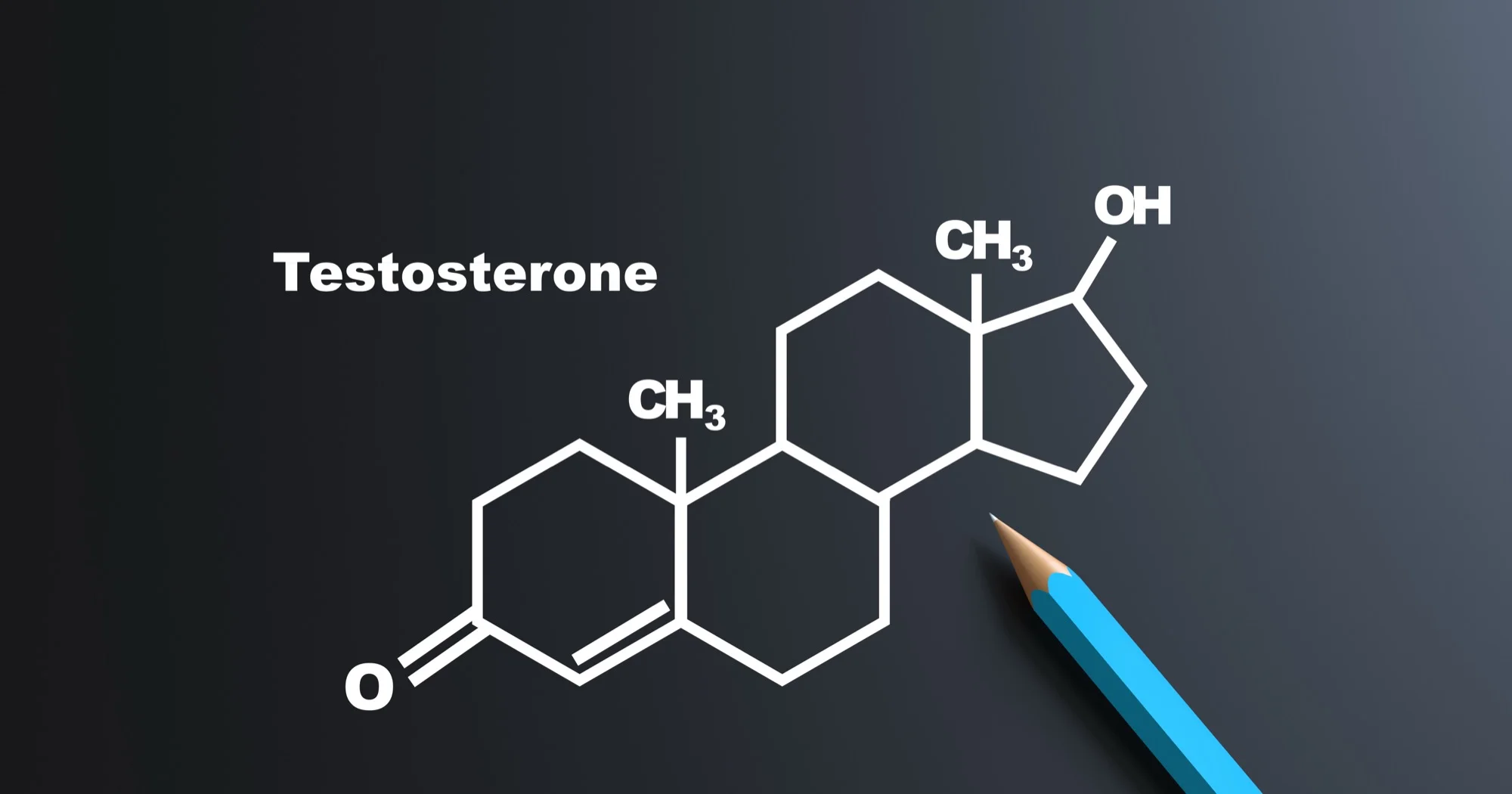
Women produce testosterone. Not as much as men—roughly 1/10th to 1/20th the amount—but it's not a trace hormone. In fact, women produce more testosterone than estrogen throughout most of their lives.
Testosterone is made in the ovaries and adrenal glands. After menopause, the ovaries continue to produce some testosterone even after estrogen production drops dramatically.
Here's the problem: testosterone levels decline gradually starting in the 20s. By the time a woman reaches her 40s, she may have half the testosterone she had at 20. This decline continues through menopause and beyond.
Key point: Many symptoms attributed to estrogen deficiency in menopause—fatigue, low libido, brain fog, muscle loss—are actually related to testosterone deficiency. But testosterone is rarely tested or addressed.
WHAT TESTOSTERONE DOES IN WOMEN
Energy & Vitality
Testosterone affects mitochondrial function—the energy factories in your cells. Low T often manifests as persistent fatigue that sleep doesn't fix.
Libido & Sexual Function
Testosterone is the primary driver of sexual desire in women. Low libido in menopause is often testosterone-related, not estrogen-related.
Mood & Motivation
Testosterone affects dopamine and other neurotransmitters. Low T can cause depression, anxiety, loss of motivation, and decreased sense of wellbeing.
Muscle & Strength
Testosterone is anabolic—it helps build and maintain muscle. Without adequate T, maintaining muscle mass becomes increasingly difficult.
Body Composition
Low testosterone promotes fat storage, especially abdominal fat. The "middle-age spread" isn't inevitable—it's often hormonal.
Cognitive Function
Testosterone supports memory, concentration, and mental clarity. "Brain fog" during perimenopause often involves testosterone decline.
SYMPTOMS OF LOW TESTOSTERONE IN WOMEN
Primary Symptoms
- • Persistent fatigue that doesn't improve with sleep
- • Low or absent libido—no interest in sex
- • Difficulty building muscle despite exercise
- • Unexplained weight gain especially abdominal
- • Brain fog and difficulty concentrating
Other Signs
- • Depressed mood or loss of motivation
- • Anxiety that's new or worsening
- • Decreased sense of wellbeing—"not feeling like yourself"
- • Thinning hair on scalp
- • Bone loss (testosterone supports bone density)
Note: These symptoms overlap with other conditions including thyroid dysfunction, depression, and estrogen deficiency. That's why comprehensive testing matters—you need to see what each biomarker means.
EXPERIENCING THESE SYMPTOMS?
Get comprehensive hormone testing — we include testosterone in every women's panel. No referral needed.
WHY TESTOSTERONE IS OVERLOOKED IN WOMEN
No FDA-Approved Product for Women
In the US, there's no testosterone product approved specifically for women. This makes many doctors hesitant to prescribe it, even though off-label use is common and products exist in other countries (Australia, UK, Europe).
Lack of Research Funding
Without an approvable drug, pharmaceutical companies haven't funded large trials. The research that does exist is largely positive, but it's smaller in scale than estrogen research.
Cultural Misconceptions
"Testosterone is for men" is deeply ingrained. Many women (and doctors) worry about masculinizing effects that don't occur at physiological female doses.
Testing Isn't Standard
Most doctors don't include testosterone in women's hormone panels. If you don't look for it, you won't find it.
TESTOSTERONE THERAPY FOR WOMEN
Testosterone therapy for women is very different from men. The goal is to restore levels to the normal female range—not to achieve male levels.
Normal Testosterone Ranges
Women (premenopausal):
Total: 15-70 ng/dL
Free: 0.5-2.0 pg/mL
For comparison, men:
Total: 300-1000 ng/dL
Free: 5-21 pg/mL
Women's doses are ~1/10th of men's doses.
Delivery Methods
- Compounded cream/gel: Applied daily to skin. Most common approach. Easy to adjust dosing.
- Pellets: Implanted under the skin every 3-4 months. Steady release, no daily application.
- Injections: Less common in women but sometimes used. Weekly or biweekly.
What About Side Effects?
At physiological doses, side effects are uncommon. Possible effects include:
- • Acne (dose-dependent, usually resolves with adjustment)
- • Mild hair growth (usually fine, light hair—not masculine)
- • Oily skin
Masculinizing effects (deepened voice, significant facial hair, clitoral enlargement) occur at supraphysiological doses—far higher than what's prescribed for women's health. Proper dosing and monitoring prevents these issues.
WONDERING IF YOUR LEVELS ARE LOW?
We include testosterone in every women's hormone panel. Comprehensive testing, not guesswork.
THE EVIDENCE
Research supports testosterone therapy for women, particularly for:
- • Sexual function: Multiple studies show improved desire, arousal, and satisfaction¹
- • Mood and wellbeing: Improvements in depression, anxiety, and quality of life²
- • Body composition: Increased lean mass, decreased fat mass³
- • Bone density: Additive benefit when combined with estrogen⁴
In 2019, the Global Consensus Position Statement on testosterone therapy for women (endorsed by multiple international medical societies) concluded that testosterone therapy can be considered for postmenopausal women with low sexual desire causing distress.⁵
COMMON QUESTIONS
Do women produce testosterone?
Yes. Women produce testosterone in the ovaries and adrenal glands—about 1/10th to 1/20th the amount men produce. But at the cellular level, testosterone is equally important for women's health, affecting energy, mood, libido, muscle mass, bone density, and cognitive function.
What are symptoms of low testosterone in women?
Common symptoms include persistent fatigue, low libido or absent sex drive, difficulty building or maintaining muscle, increased body fat (especially abdominal), brain fog and poor concentration, depressed mood or loss of motivation, and decreased sense of wellbeing.
Will testosterone make women masculine?
Not at physiological doses. Masculinizing effects (deepened voice, facial hair, clitoral enlargement) occur with supraphysiological doses—far higher than what's prescribed for hormone optimization. Proper dosing aims to restore testosterone to normal female ranges, not male ranges.
Why don't most doctors test testosterone in women?
Testosterone for women is under-researched and under-recognized in mainstream medicine. There's no FDA-approved testosterone product specifically for women in the US, which makes many doctors hesitant. However, off-label use is common and supported by growing evidence, and products approved for women exist in other countries.
How is testosterone prescribed for women?
Women typically use compounded testosterone creams, gels, or pellets at much lower doses than men. Some use a fraction of men's products. The goal is to achieve testosterone levels in the normal range for women (15-70 ng/dL free testosterone), not men's levels.
References
- 1. Davis SR, et al. "Testosterone for women: the clinical evidence." Lancet Diabetes Endocrinol. 2015.
- 2. Fooladi E, et al. "Pharmacokinetics of a transdermal testosterone cream in healthy postmenopausal women." Menopause. 2015.
- 3. Huang G, et al. "Testosterone dose-response relationships in hysterectomized women with and without oophorectomy." Menopause. 2014.
- 4. Watts NB, et al. "Comparison of oral estrogens and estrogens plus androgen on bone mineral density, menopausal symptoms." Obstet Gynecol. 1995.
- 5. Davis SR, et al. "Global Consensus Position Statement on the Use of Testosterone Therapy for Women." J Clin Endocrinol Metab. 2019.
WONDERING IF TESTOSTERONE COULD HELP?
Start with comprehensive hormone testing. We include testosterone in every women's panel.
Book Consultation