Quiz Result — Men's Health
LOW TESTOSTERONE & BODY CHANGES
Your quiz results highlight body composition and physical symptoms as primary concern areas. When your body stops responding to effort, hormones are usually involved.
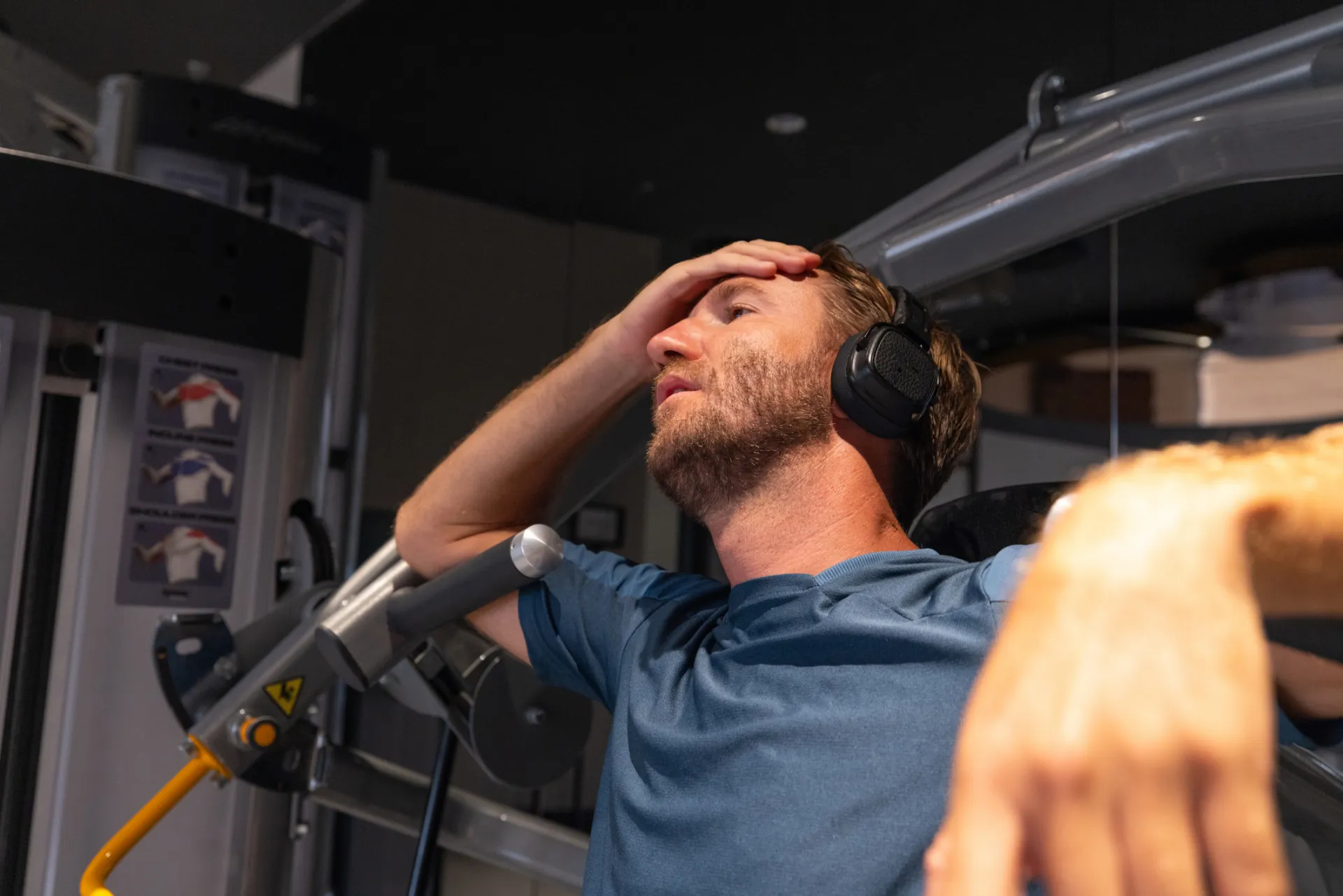
WHAT THIS PATTERN MEANS
When effort stops producing results, the problem is rarely effort itself. Testosterone is the primary hormonal driver of muscle protein synthesis and metabolic rate in men. When levels decline, your body loses the ability to build muscle efficiently and begins favoring fat storage — even if your training and nutrition haven't changed. You're not failing. Your biochemistry shifted.
The frustration of this pattern is real and specific: you're doing everything right — lifting, eating well, staying active — but your body is moving in the wrong direction. Clothes fit differently. The mirror tells a different story than your discipline should produce. This isn't a motivation problem. It's a signaling problem. Your muscles aren't getting the hormonal instruction to grow and repair.
What makes this pattern especially difficult to break is the negative feedback loop it creates. As body fat increases, fat cells produce more aromatase — an enzyme that converts testosterone into estrogen. More fat means less testosterone. Less testosterone means more fat. This self-reinforcing cycle accelerates over time, and it's nearly impossible to out-train or out-diet without addressing the hormonal root.
THE HORMONAL CONNECTION
Muscle Protein Synthesis
Testosterone is the primary anabolic signal that tells your body to build and maintain muscle tissue. It activates satellite cells, stimulates protein synthesis, and inhibits protein breakdown. When T levels drop, the balance shifts from net anabolism to net catabolism — meaning your body is breaking down more muscle than it builds. You can train hard and eat enough protein, but without adequate testosterone, the signal to convert that protein into muscle tissue is too weak.
Fat Storage & Aromatization
Fat cells produce aromatase, an enzyme that converts testosterone to estrogen. As body fat increases, more testosterone is aromatized, which further reduces T levels and promotes additional fat storage — especially visceral fat around the midsection. This creates a self-reinforcing cycle: more fat produces more aromatase, which converts more testosterone to estrogen, which promotes more fat storage. Breaking this cycle often requires addressing the hormonal component directly.
Insulin Resistance
Low testosterone is independently associated with increased insulin resistance. When cells become less responsive to insulin, your body stores more calories as fat and has difficulty accessing stored fat for energy. This makes fat loss significantly harder and fat gain significantly easier — even at the same caloric intake. The metabolic deck is stacked against you until the hormonal environment is corrected.
Collagen & Joint Health
Testosterone supports the production of collagen and the maintenance of connective tissue — tendons, ligaments, cartilage, and joint capsules. As levels decline, men often notice joint pain, stiffness, and increased susceptibility to injury. These symptoms compound the body composition problem: joint issues reduce training capacity, which accelerates muscle loss and fat gain. The physical symptoms aren't separate from the body composition changes — they're part of the same hormonal pattern.
SYMPTOMS TO WATCH FOR
Body Composition
- • Gaining belly fat despite consistent training and nutrition
- • Losing muscle mass or visible muscle definition
- • Inability to lose weight even in a caloric deficit
- • Decreased strength — lifts going down, not up
- • Clothes fitting differently — tighter waist, looser arms and shoulders
Physical
- • Joint pain or stiffness, especially in knees, shoulders, and hips
- • Temperature regulation issues — feeling cold easily or night sweats
- • Hair thinning or changes in body hair patterns
- • Slow healing from workouts, injuries, or minor cuts
- • Reduced stamina and endurance during exercise
The Pattern to Notice
Any single symptom can have multiple explanations. But when body composition changes pair with physical symptoms like joint pain, slow recovery, and declining strength, the pattern strongly points to hormonal decline. Your body is losing its ability to build, repair, and maintain tissue — and that's a testosterone-dependent function.
WHAT YOUR LABS SHOULD INCLUDE
Hormone Panel
- Total Testosterone — Overall hormone level
- Free Testosterone — Bioavailable portion driving muscle and fat metabolism
- SHBG — Binding protein (high SHBG = low free T)
- Estradiol — Elevated from aromatization worsens fat storage
- LH & FSH — Brain-to-testes signaling
- DHEA-S — Adrenal androgen supporting body composition
Metabolic Markers
- Fasting Insulin — Insulin resistance drives fat storage
- Fasting Glucose — Baseline metabolic health
- HbA1c — 3-month blood sugar average
- Lipid Panel — Cholesterol, triglycerides, HDL, LDL
- CRP — Systemic inflammation marker
- Thyroid Panel — TSH, free T3, free T4 (thyroid affects metabolism)
DEXA Scan: For body composition concerns, we recommend a baseline DEXA scan. It provides precise measurements of lean mass, fat mass, and fat distribution — giving you an objective starting point that's far more accurate than a scale or body fat calipers. This becomes your benchmark for tracking real progress.
TREATMENT OPTIONS
Lifestyle Optimization (Start Here)
Strength Training
Compound lifts (squat, deadlift, press, row) provide the strongest stimulus for muscle retention and natural testosterone production. Prioritize progressive overload 3-4x per week over high-volume cardio.
Nutrition — Protein & Calories
Adequate protein (0.8-1g per pound of bodyweight) is non-negotiable for muscle maintenance. Severe caloric restriction backfires — it further suppresses testosterone. Moderate deficits with high protein preserve muscle while losing fat.
Body Fat Reduction
Reducing body fat lowers aromatase activity, which preserves more testosterone and reduces estrogen conversion. Even a 10-15% reduction in body fat can measurably improve hormonal markers.
Sleep & Recovery
Most testosterone is produced during deep sleep. Poor sleep quality directly suppresses T levels and impairs recovery. 7-8 hours in a dark, cool room with consistent timing is foundational.
Medical Treatment
Testosterone Replacement (TRT)
TRT restores the anabolic signaling needed for body recomposition. Studies show measurable decreases in fat mass and increases in lean mass within 3-6 months. Combined with training, the effects on body composition are significant and progressive through the first year.
GLP-1 Therapy
For men with a significant metabolic component — insulin resistance, elevated fasting glucose, or substantial fat to lose — GLP-1 medications can accelerate fat loss while TRT preserves and builds muscle. This combination addresses both the hormonal and metabolic sides of the equation.
Hormone & Body Composition Testing in Park Ridge
Moonshot Medical is located in Park Ridge, Illinois — serving the northwest suburbs of Chicago including Des Plaines, Niles, Edison Park, and the greater Chicagoland area. Our comprehensive hormone panels include 60+ biomarkers with morning blood draws for optimal accuracy.
We also offer DEXA body composition scans on-site — giving you a precise baseline measurement of lean mass, fat mass, and bone density. Track your progress with objective data, not just the scale.
COMMON QUESTIONS
Can low testosterone cause weight gain?
Yes. Low testosterone shifts metabolism toward fat storage and away from muscle maintenance. It increases insulin resistance, reduces basal metabolic rate by decreasing lean mass, and promotes visceral fat accumulation — especially around the midsection. This happens even when diet and exercise remain consistent.
Why can't I build muscle anymore?
Testosterone is the primary anabolic hormone that drives muscle protein synthesis. When levels decline, your body loses the signal to build and maintain muscle. You can train hard, eat enough protein, and still lose ground because the hormonal driver of growth is insufficient. It's not a discipline problem — it's a signaling problem.
Does TRT help with body composition?
Studies consistently show TRT produces measurable improvements in body composition — reduced body fat percentage, increased lean muscle mass, and decreased waist circumference. Combined with strength training and adequate protein, the results are significantly amplified. Changes are progressive over 3-12 months.
Should I lose weight before starting TRT?
You can do both simultaneously, and TRT often makes weight loss significantly easier. Excess body fat converts testosterone to estrogen via aromatase, creating a cycle that's difficult to break with lifestyle alone. TRT restores the hormonal environment needed for effective fat loss. Waiting to "get in shape first" often means fighting a losing battle against your own biochemistry.
How long until I see body changes on TRT?
Body composition changes are progressive. Improved workout recovery and early strength gains typically appear within 4-6 weeks. Visible changes in muscle tone and fat distribution by 3-4 months. Significant, measurable recomposition on a DEXA scan by 6 months. Continued improvement through 12 months and beyond with consistent training.
Medical Disclaimer: This quiz and its results are informational and not a medical diagnosis. Symptoms described here can overlap with other conditions including thyroid disorders, metabolic syndrome, and other endocrine issues. Blood work is the appropriate next step to identify root causes. If you are experiencing severe or worsening symptoms, seek medical evaluation.
Related Reading
YOUR BODY IS TELLING YOU SOMETHING
When effort stops producing results, the answer isn't more effort. A comprehensive hormone and metabolic panel identifies what's actually driving the change.