Clinical disclaimer: This article provides general nutrition information for patients on GLP-1 receptor agonist medications. It is not a substitute for individualized medical nutrition therapy. Protein targets, calorie levels, and supplement recommendations should be confirmed with your medical provider based on your health status, kidney function, and treatment goals. Retatrutide is an investigational medication not yet approved by the FDA.
Retatrutide · Nutrition Guide
NUTRITION ON GLP-1 DRUGS
The injection suppresses your appetite. That's the point. But if you don't eat strategically, you'll lose the wrong kind of weight—and set yourself up for regain, hair loss, and metabolic damage.
Medically reviewed by Missy Zammichieli, DNP, APRN, FNP-BC · Updated March 25, 2026
Explore GLP-1 Weight Loss Program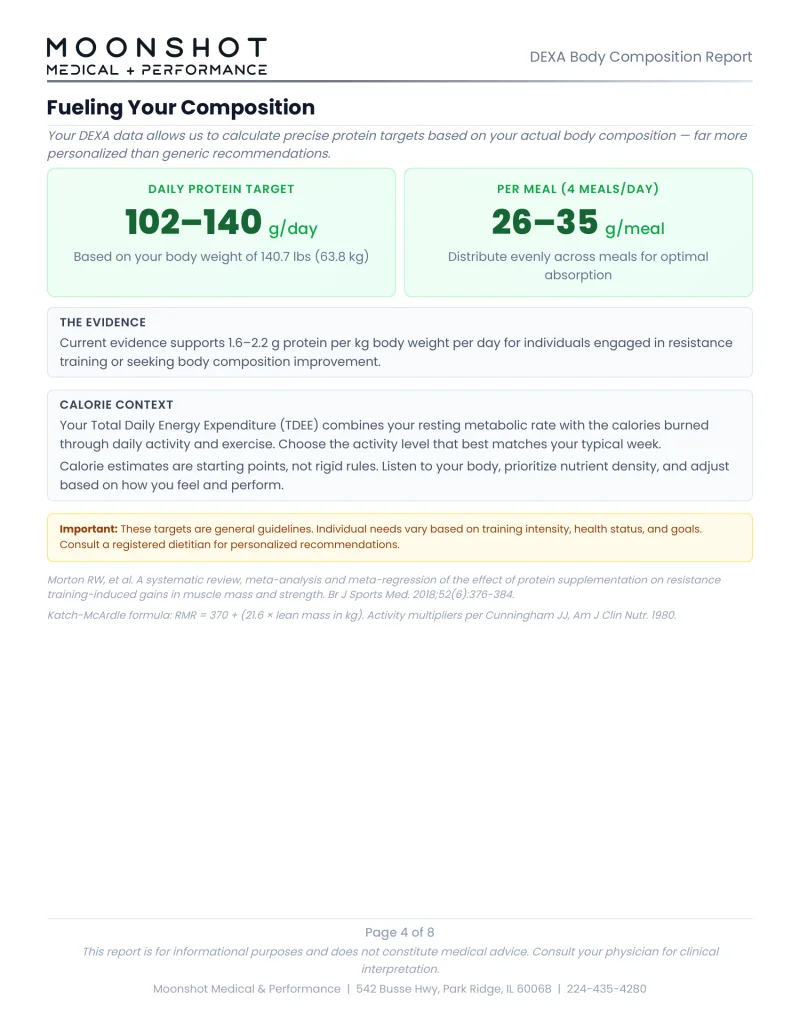
THE APPETITE PARADOX
GLP-1 drugs work by suppressing appetite. That's the mechanism. You eat less, you lose weight. On paper, this is elegant. In practice, it creates a problem nobody talks about enough: patients stop eating adequately.
Not by choice. The hunger signal just isn't there. You wake up, you're not hungry. Noon comes, you could take it or leave it. By dinner, you force down a few bites and you're done. The scale drops. You feel like it's working.
But under the surface, your body is cannibalizing itself. Without adequate protein, your body breaks down muscle tissue for amino acids. Without sufficient micronutrients, systems start to fail in quiet ways—hair thins, nails become brittle, energy craters, sleep degrades. Without enough dietary fat, your gallbladder stops contracting, bile concentrates, and gallstones form.
The data on this is clear. In the STEP 1 trial (semaglutide 2.4mg), participants lost an average of 14.9% of body weight over 68 weeks. But approximately 25-40% of the total weight lost was lean body mass—not fat. That's muscle, organ tissue, and bone mineral you can't easily rebuild.
This is the paradox: the drug that's supposed to make you healthier can make you metabolically worse if you don't manage the nutrition side. The injection is the easy part. What you eat—and how much protein you get—is what actually determines the quality of your weight loss.
The bottom line: A GLP-1 drug without a nutrition plan is a muscle-loss drug. The injection controls appetite. You control what goes in when you do eat. That's where the real work happens.
PROTEIN IS NON-NEGOTIABLE
If you take one thing from this entire page, let it be this number: 1.0 to 1.2 grams of protein per pound of ideal body weight, every single day.
If your goal weight is 160 pounds, that means 160-192 grams of protein daily. If your goal weight is 200 pounds, that's 200-240 grams. This isn't a suggestion from a fitness influencer. This is the clinical target backed by body composition research in caloric deficit states.
To put this in context: the average American eats about 60-80 grams of protein per day. Many GLP-1 patients, eating even less due to suppressed appetite, drop to 30-50 grams. That's a quarter of what they need. The gap between what patients are eating and what their bodies require to preserve lean mass is enormous.
Here's why this matters mechanically. When you're in a caloric deficit (which you will be on a GLP-1 drug), your body needs amino acids for essential functions: immune cells, enzymes, hormones, neurotransmitters. If those amino acids don't come from dietary protein, your body sources them from the only other place they exist—skeletal muscle. The technical term is proteolysis. The practical term is: your body eats itself.
Research from Hector and Phillips (2018) demonstrated that protein intake above 1.0g/lb during caloric restriction significantly reduces lean mass loss compared to lower intakes. The STEP trials, which did not control for protein intake, showed lean mass losses of 25-40% of total weight. Clinics that enforce high-protein protocols and pair GLP-1s with resistance training report lean mass losses under 10-15% of total weight—a dramatically better outcome.
30-40%
of weight lost is muscle on GLP-1 drugs without a protein plan (STEP trial data)
1.0-1.2g
protein per pound of ideal body weight—the daily target to preserve lean mass
2-3x
more protein than most patients currently eat—the gap that needs closing
THE LEUCINE THRESHOLD
Not all protein is used the same way. Your body doesn't just passively absorb protein and send it to muscles. Muscle protein synthesis (MPS)—the process of building and repairing muscle tissue—has to be triggered. And the trigger is a specific amino acid called leucine.
Research from Layman and colleagues has established that you need approximately 2.5 to 3.0 grams of leucine per meal to activate the mTOR signaling pathway and initiate meaningful MPS. Below that threshold, you get some amino acid absorption, but the muscle-building machinery doesn't fully turn on. Think of it like a light switch, not a dimmer—you either hit the threshold or you don't.
This has direct implications for how you structure meals on a GLP-1 drug. Nibbling 10-15 grams of protein six times a day adds up on a spreadsheet, but each feeding may fall below the leucine threshold. Three to four meals with 30-40 grams of protein each is a better strategy because each meal actually triggers MPS.
Foods That Hit the Leucine Threshold in a Single Serving
8 oz chicken breast
~50g protein
~3.6g leucine
6 oz salmon
~34g protein
~2.8g leucine
1.5 cups Greek yogurt
~30g protein
~2.7g leucine
2 scoops whey protein
~50g protein
~5.0g leucine
6 oz lean ground beef (93%)
~36g protein
~2.9g leucine
4 whole eggs + 2 whites
~32g protein
~2.6g leucine
PROTEIN-FIRST EATING
On a GLP-1 drug, your stomach capacity is limited. Gastric emptying is slowed. You fill up fast and stay full for hours. This means the order in which you eat matters more than it ever has.
The rule is simple: protein first, every meal, no exceptions.
If you start with a salad, bread, or rice, you'll fill up before you get to the chicken. Then you've consumed 300 calories of carbohydrates and 8 grams of protein. That's a wasted meal from a body composition standpoint.
Instead, eat 30-40 grams of protein before touching anything else on the plate. If you still have room after the protein, add vegetables. If you still have room after that, add complex carbs or healthy fats. Most GLP-1 patients find that after the protein and vegetables, they're done. And that's fine—because the essentials are already in.
The Protein-First Plate
- 1 Protein (30-40g): Chicken, fish, eggs, lean beef, turkey, Greek yogurt, cottage cheese, or whey shake. This goes in first. Always.
- 2 Vegetables: Fibrous, nutrient-dense vegetables—broccoli, spinach, asparagus, bell peppers, zucchini. These provide micronutrients and fiber with minimal caloric cost.
- 3 Complex carbs / fats (if room): Sweet potato, rice, avocado, olive oil. These are important but secondary. If you're full after protein and vegetables, skip them—you've already hit the essentials.
WHEN YOU CAN'T EAT
There will be days—especially after dose increases—when the thought of eating solid food makes you nauseous. This is normal and expected. It does not mean you skip protein. It means you switch formats.
Liquid protein sources become medical nutrition tools on these days. They aren't "cheating" or "just supplements." They are the clinical intervention that prevents your body from breaking down muscle tissue for amino acids. Treat them with that level of seriousness.
Whey Protein Shake
2 scoops whey isolate + water or milk
40-50g protein | ~200-300 cal | Highest leucine content of any source. Fast-absorbing. The single best option when appetite is at zero.
Greek Yogurt Smoothie
1.5 cups plain Greek yogurt + 1 scoop whey + berries
45-55g protein | ~350-400 cal | Thicker consistency may be easier to keep down than solid food. Add collagen peptides for an extra 10g.
Bone Broth + Collagen
2 cups bone broth + 1-2 scoops collagen powder
20-30g protein | ~100-150 cal | Warm liquid is often better tolerated than cold. Provides gelatin, glycine, and electrolytes. Sip throughout the morning.
Fairlife Protein Milk
2 cups Fairlife (or Core Power)
26g protein | ~260 cal | Lactose-free, shelf-stable, requires zero preparation. Keep these in your fridge and car. They're your emergency protein.
Practical tip: On low-appetite days, don't try to eat three meals. Instead, sip protein throughout the day. A shake at 8am. Bone broth at 11am. A smoothie at 3pm. Another shake at 7pm. You've just hit 130-160g of protein without sitting down to a single "meal."
WHAT A DAY OF EATING LOOKS LIKE
Here's a realistic day of eating on a GLP-1 medication at 1,200-1,600 calories with 120-150g of protein. This isn't aspirational. This is what actually works for patients with suppressed appetite.
Breakfast (7-8am)
~35g protein | ~350 calOption A: 3 whole eggs scrambled + 4 oz chicken sausage + handful of spinach
Option B: 1 cup Greek yogurt + 1 scoop whey protein + 1/4 cup berries + 1 tbsp almond butter
Low-appetite day: Whey shake (2 scoops) with water or Fairlife milk
Lunch (12-1pm)
~40g protein | ~400 calOption A: 6 oz grilled chicken breast + roasted broccoli + 1/2 cup rice
Option B: Large salad with 6 oz salmon, mixed greens, cucumber, olive oil/lemon dressing
Low-appetite day: 2 cups bone broth with collagen + a string cheese
Dinner (6-7pm)
~40g protein | ~450 calOption A: 6 oz ground turkey (93% lean) with zucchini noodles and marinara
Option B: 6 oz sirloin steak + asparagus + small sweet potato
Low-appetite day: Greek yogurt smoothie (1.5 cups yogurt + 1 scoop whey + frozen berries)
Snack / Bridge (3-4pm)
~25g protein | ~200 calOptions: 1 cup cottage cheese + berries | Turkey roll-ups (deli turkey + cheese) | Fairlife protein milk | Beef jerky (2 oz) + string cheese
Day totals: ~1,400 calories | ~140g protein | ~60g carbs | ~55g fat. That's roughly 40% protein, 17% carbs, 35% fat—heavily biased toward protein, which is exactly the point. If you can eat more, eat more. This is the floor, not the ceiling.
MICRONUTRIENTS TO WATCH
When you're eating 1,200-1,600 calories per day, you're not getting enough vitamins and minerals from food alone. Period. This isn't a debate. At that caloric level, even a perfectly designed diet falls short on several critical micronutrients. GLP-1 drugs compound the problem by slowing gastric emptying, which can impair absorption of certain nutrients.
Vitamin B12
GLP-1 drugs slow gastric emptying, which can reduce intrinsic factor secretion and impair B12 absorption. Deficiency causes fatigue, brain fog, nerve tingling, and anemia. Test every 3-4 months. Sublingual B12 bypasses the GI absorption issue.
Iron
Reduced food intake means less dietary iron, especially if red meat consumption drops. Ferritin levels below 30 ng/mL cause fatigue, hair loss, and cold intolerance—symptoms often blamed on "the medication" when they're actually nutritional deficiency.
Vitamin D
Most adults in the Midwest are already deficient. Weight loss releases stored vitamin D from fat tissue, which can temporarily mask true levels. Aim for 2,000-5,000 IU daily. Test 25-hydroxyvitamin D levels; target 40-60 ng/mL.
Calcium
Bone mineral density can decrease during rapid weight loss. Adequate calcium (1,000-1,200mg/day from food + supplement) combined with vitamin D and resistance training protects bone density. Dairy sources do double duty—calcium plus protein.
Zinc
Zinc is critical for immune function, wound healing, and hair growth. Deficiency is common in restricted-calorie diets and manifests as hair loss, poor wound healing, and altered taste. 15-30mg/day from a multivitamin or standalone supplement.
Multivitamin
A high-quality daily multivitamin is the baseline insurance policy. It won't replace adequate food intake, but it fills the inevitable gaps. Choose one with methylated B vitamins (methylfolate, methylcobalamin) for better absorption.
Your provider should run a comprehensive metabolic panel plus micronutrient levels (B12, ferritin, vitamin D, zinc) at baseline and every 3-4 months during active GLP-1 treatment. Don't guess—test.
HYDRATION
GLP-1 drugs increase fluid loss through multiple mechanisms: reduced food-based water intake (food provides ~20% of daily water), GI side effects (nausea, diarrhea), and altered kidney function. Most patients are chronically dehydrated and don't realize it because they confuse the medication's appetite suppression with adequate hydration.
Target: 80-100 ounces of water per day, minimum. If you're exercising, add 16-24 ounces per hour of activity. If you're experiencing GI side effects (especially diarrhea or vomiting), increase further.
Water alone isn't enough. When you're eating less food and losing water through GI effects, you're also losing electrolytes. Sodium, potassium, and magnesium all drop. The symptoms of electrolyte depletion—muscle cramps, fatigue, headaches, dizziness, heart palpitations—overlap heavily with side effects patients blame on the medication itself.
Electrolyte Targets
Sodium
2,000-3,000mg/day. Add a pinch of salt to water, or use an electrolyte mix like LMNT or Liquid IV. Don't fear sodium—on a low-calorie diet, you're not getting enough.
Potassium
2,500-3,500mg/day from food + supplement. Avocado, spinach, salmon, and potatoes are good sources. Most multivitamins contain negligible potassium.
Magnesium
300-400mg/day. Magnesium glycinate or citrate before bed also improves sleep quality, which is often disrupted during weight loss. Magnesium oxide is poorly absorbed—avoid it.
WHAT TO AVOID
On a GLP-1 drug, your stomach has limited real estate. Every bite is an allocation decision. When you can only eat 1,200-1,600 calories, there is no room for food that doesn't serve a function.
Ultra-Processed Foods
Chips, crackers, granola bars, processed snack foods. These are calorie-dense and protein-poor. A bag of chips delivers 300 calories and 3 grams of protein. That's 20% of your daily calories spent on nothing. When stomach capacity is limited, you simply cannot afford this tradeoff.
Alcohol
Alcohol is 7 calories per gram with zero protein, zero micronutrients, and active metabolic harm. It halts fat oxidation while your liver prioritizes clearing it. It impairs sleep (which affects recovery and hunger hormones). It lowers inhibitions, leading to poor food decisions. And during rapid weight loss, your liver is already working harder than normal—don't add to the load. If you drink, limit to 1-2 servings per week maximum and count the calories.
Sugary Drinks and Juices
A 16 oz fruit juice contains 50-60 grams of sugar and zero protein. A sweetened coffee drink from a chain can be 400+ calories. These are the single easiest way to waste your limited caloric budget. Stick to water, black coffee, unsweetened tea, and protein shakes. If you want flavor, use zero-calorie electrolyte mixes.
High-Carb, Low-Protein Meals
A bowl of pasta, a plate of rice, a sandwich with mostly bread. These fill you up fast (especially on a GLP-1) while delivering minimal protein per calorie. If you eat carbs, they should be secondary to protein and in moderate portions. A meal should never be built around starches.
RETATRUTIDE SPECIFICALLY
Everything above applies to all GLP-1 medications—semaglutide, tirzepatide, and retatrutide alike. But retatrutide has unique pharmacology that makes nutrition planning even more critical.
Higher appetite suppression. In the Phase 2 trial (Jastreboff et al., NEJM 2023), participants on retatrutide 12mg lost an average of 24.2% of body weight over 48 weeks—the highest weight loss of any GLP-1 class trial to date. That kind of weight loss doesn't happen without profound appetite suppression. Patients on retatrutide may find it even harder to eat adequate protein than those on semaglutide or tirzepatide, which means more aggressive meal planning, more reliance on liquid protein sources, and more intentional daily tracking.
Glucagon increases energy expenditure. Retatrutide's glucagon receptor component raises resting metabolic rate by an estimated 5-15% (based on glucagon infusion studies by Nair et al., 1987). This means your body is burning more calories at rest than it would on a GLP-1-only drug. The upside: more fat loss. The potential downside: you may need slightly more total calories than a semaglutide patient to avoid excessive lean mass loss. This needs to be monitored, not guessed at.
Body composition monitoring is essential. With deeper appetite suppression and higher energy expenditure, the risk of undereating is amplified. DEXA body composition scans every 3-4 months are the only way to know whether you're losing the right kind of weight. If lean mass is dropping disproportionately, your provider needs to adjust—either increasing calories, modifying dose timing, or intensifying the resistance training protocol.
Blood work frequency matters. The combination of higher weight loss velocity and increased metabolic rate means micronutrient depletion can happen faster on retatrutide than on other GLP-1 drugs. We recommend comprehensive metabolic panels plus micronutrient levels at baseline and every 12 weeks during active treatment. Don't wait until symptoms appear—by the time hair is falling out, the deficiency has been building for months.
Clinical note: Retatrutide is currently in Phase 3 clinical trials and has not been approved by the FDA. The nutritional principles in this article apply to all GLP-1 medications currently available—semaglutide (Ozempic/Wegovy) and tirzepatide (Mounjaro/Zepbound). If you're on one of these medications now, start implementing these strategies today. Don't wait for a specific drug to take nutrition seriously.
FREQUENTLY ASKED QUESTIONS
How much protein do I actually need?
1.0 to 1.2 grams per pound of your ideal body weight (not current weight). If your goal is 160 lbs, you need 160-192g of protein daily. If your goal is 200 lbs, you need 200-240g. This is higher than what most patients expect, and hitting it consistently is the single most important thing you can do to protect your muscle mass during weight loss.
What if I physically can't eat enough?
Switch to liquid protein. Two whey shakes per day (40-50g protein each) plus one small solid meal can get you to 120-150g without requiring much appetite. Bone broth with collagen, Fairlife milk, and Greek yogurt smoothies are additional tools. Sip throughout the day. On the worst appetite days, something is always better than nothing. If you consistently cannot eat for more than 24-48 hours, contact your provider—your dose may need adjustment.
Will I get gallstones?
Rapid weight loss increases gallstone risk regardless of how you lose the weight. Very low calorie intake (under 800 calories/day) is a significant risk factor because the gallbladder stops contracting regularly, allowing bile to concentrate. Eating adequate dietary fat (7-10g per meal minimum) keeps bile flowing. Don't go fat-free. If you develop right upper quadrant pain, especially after eating, report it to your provider immediately.
Do I need supplements?
Yes. At 1,200-1,600 calories per day, food alone cannot provide adequate micronutrients. At minimum: a high-quality multivitamin with methylated B vitamins, vitamin D3 (2,000-5,000 IU), magnesium glycinate (300-400mg), and an electrolyte supplement. Your provider should check B12, ferritin, vitamin D, calcium, and zinc via blood work every 3-4 months during treatment and adjust supplementation based on results.
Can I drink alcohol?
Technically yes. Strategically no. Alcohol delivers 7 calories per gram with zero nutritional value. It halts fat oxidation, impairs liver function during a period when your liver is already under increased metabolic demand, disrupts sleep quality, and lowers inhibitions around food. When your daily calorie budget is 1,200-1,600 and every calorie needs to earn its place, a glass of wine (125 cal, 0g protein) is a poor allocation. If you choose to drink, limit to 1-2 servings per week and account for those calories.
REFERENCES
- 1. Jastreboff AM, et al. "Triple-Hormone-Receptor Agonist Retatrutide for Obesity." N Engl J Med. 2023;389(6):514-526.
- 2. Wilding JPH, et al. "Once-Weekly Semaglutide in Adults with Overweight or Obesity." N Engl J Med. 2021;384(11):989-1002. (STEP 1)
- 3. Hector AJ, Phillips SM. "Protein Recommendations for Weight Loss in Elite Athletes: A Focus on Body Composition and Performance." Int J Sport Nutr Exerc Metab. 2018;28(2):170-177.
- 4. Layman DK, et al. "Defining meal requirements for protein to optimize metabolic roles of amino acids." Am J Clin Nutr. 2015;101(6):1330S-1338S.
- 5. Nair KS, et al. "Leucine, glucose, and energy metabolism after 3 days of fasting in healthy human subjects." Am J Clin Nutr. 1987;46(4):557-562.
- 6. Jastreboff AM, et al. "Tirzepatide Once Weekly for the Treatment of Obesity." N Engl J Med. 2022;387(3):205-216. (SURMOUNT-1)
- 7. Stokes T, et al. "Recent Perspectives Regarding the Role of Dietary Protein for the Promotion of Muscle Hypertrophy with Resistance Exercise Training." Nutrients. 2018;10(2):180.
READY TO DO THIS RIGHT?
GLP-1 weight loss without nutrition guidance is a gamble with your muscle mass. At Moonshot, every weight loss patient gets DEXA body composition tracking, blood work monitoring, and a protocol built around preserving lean mass—not just dropping a number on a scale.