Peptide Therapy
WOLVERINE BLEND: BPC-157 + TB-500
Why two of the most studied healing peptides are better together — mechanism, dosing, and what to expect.
Medically reviewed by Missy Zammichieli, DNP, APRN, FNP-BC · Published March 24, 2026
Book Consultation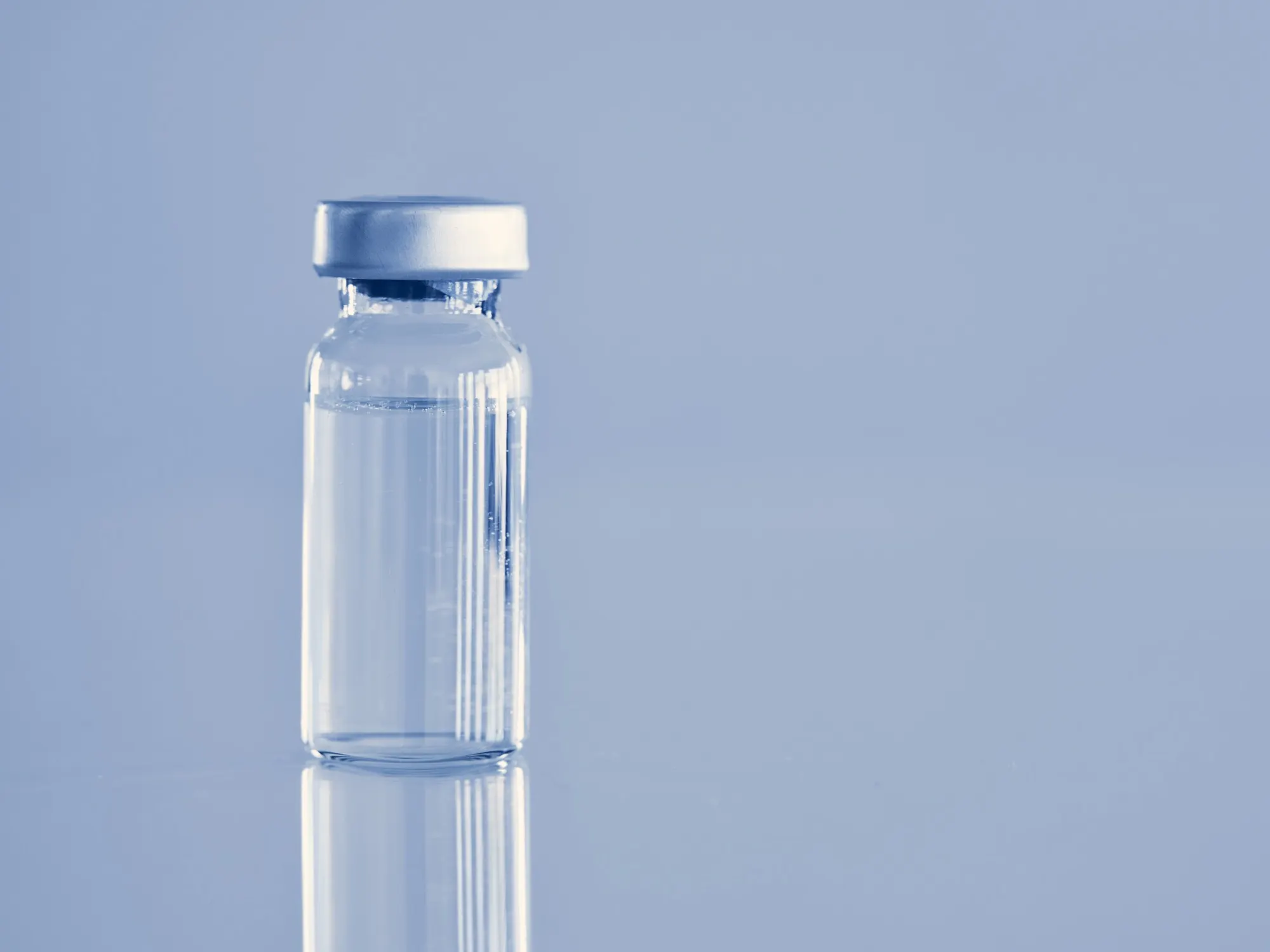
WHAT IS THE WOLVERINE BLEND?
The Wolverine Blend is a combination peptide therapy that pairs BPC-157 (Body Protection Compound-157) and TB-500 (a fragment of thymosin beta-4) in a single vial. Instead of drawing from two separate vials and giving yourself two injections, you get both peptides in one shot.
The name comes from the optimization medicine community — a reference to the Marvel character Wolverine's regenerative abilities. It's a nickname, not a brand. The concept is straightforward: combine the two most studied healing peptides at an optimal ratio so they work together.
Each 3ml vial contains approximately 1.66mg/ml of BPC-157 and 3.33mg/ml of TB-500. That works out to roughly 5mg BPC-157 and 10mg TB-500 per vial — pre-mixed by a licensed compounding pharmacy.
Key point: This isn't two random peptides thrown together. BPC-157 and TB-500 target tissue repair through genuinely different mechanisms — they complement each other rather than duplicate the same pathway.
WHY COMBINE BPC-157 AND TB-500?
The logic isn't "more peptides = better." It's that these two peptides address different bottlenecks in the healing process. BPC-157 creates the conditions for repair. TB-500 mobilizes the cells that do the repairing.
BPC-157 Mechanism
- Growth factor upregulation — increases expression of VEGF, FGF, and other growth factors at injury sites
- Angiogenesis — promotes formation of new blood vessels, improving nutrient and oxygen delivery to damaged tissue
- Nitric oxide modulation — regulates blood flow and inflammation through the NO system
- Gut-brain axis — derived from gastric juice, with particular affinity for GI tissue repair
TB-500 Mechanism
- Actin upregulation — increases production of actin, a key protein for cell structure, migration, and repair
- Cell migration — promotes movement of repair cells (fibroblasts, endothelial cells) to the injury site
- Anti-inflammatory — reduces inflammatory cytokines and dampens excessive immune response
- Systemic reach — low molecular weight allows it to travel through tissues more easily than most peptides
Combined Effect
- Multi-pathway repair — addresses both the infrastructure (blood supply, growth factors) and the workforce (cell migration, tissue building)
- Broader tissue coverage — BPC-157's gut and tendon affinity pairs with TB-500's muscle and joint effects
- Faster onset — simultaneous action on different repair bottlenecks may accelerate overall healing timeline
- Reduced inflammation — both peptides modulate inflammation through different pathways
This isn't theoretical stacking — the mechanisms are genuinely complementary. BPC-157 creates the conditions for healing (blood vessels, growth factors), and TB-500 mobilizes the cells that do the actual repair. Think of BPC-157 as building the roads and TB-500 as sending the construction crews.
WOLVERINE BLEND BENEFITS
The Wolverine Blend is used primarily for injury recovery and tissue repair. Here's what the combined peptide approach targets:
Accelerated Injury Recovery
Multi-pathway tissue repair means the body can address multiple healing bottlenecks simultaneously. Patients recovering from sports injuries, overuse injuries, and trauma often report noticeably faster resolution.
Tendon & Ligament Repair
Tendons and ligaments heal slowly because they have poor blood supply. BPC-157's angiogenic properties address this directly, while TB-500 promotes the cell migration needed for structural repair.
Muscle Healing
TB-500's actin upregulation is particularly relevant for muscle tissue repair. Combined with BPC-157's growth factor effects, muscle strains and tears may resolve faster than with rest alone.
Reduced Inflammation
Both peptides modulate the inflammatory response through different pathways. The combined anti-inflammatory effect can reduce pain and swelling while supporting — not suppressing — the body's repair process.
Gut Healing
BPC-157 was originally isolated from gastric juice and has a particular affinity for GI tissue. Patients with gut permeability issues, IBS, or GI inflammation may benefit from the BPC-157 component specifically.
Joint Health
Chronic joint issues involve multiple tissue types — cartilage, synovium, tendons, ligaments. The Wolverine Blend's multi-pathway approach can address several of these simultaneously.
Post-Surgical Recovery
Some providers use the Wolverine Blend as part of a post-surgical recovery protocol. Accelerated tissue repair and reduced inflammation can support faster return to function after orthopedic procedures.
Convenience
One injection instead of two. One vial to store instead of two. Pre-mixed at the optimal ratio by a compounding pharmacy. For patients who would use both peptides anyway, the Wolverine Blend simplifies the protocol.
Important context: Most published research on BPC-157 and TB-500 is in animal models. The clinical evidence is strong enough that these peptides are widely used in optimization medicine, but the human trial data is limited. This is common across the peptide landscape — read more about why.
DOSING & ADMINISTRATION
Dosing is determined by your prescribing provider based on your specific situation. Here are the general parameters:
Standard Dose
0.3–0.5ml subcutaneous injection, daily or every other day. At the standard concentration (1.66mg/ml BPC-157 + 3.33mg/ml TB-500), a 0.5ml dose delivers approximately 830mcg BPC-157 and 1,665mcg TB-500 per injection.
Vial Duration
Each 3ml vial lasts approximately 6–10 days depending on your prescribed dose. Most patients go through 2–3 vials per month.
Cycle Length
Typical protocol runs 4–12 weeks depending on the injury and response. Some providers recommend cycling (e.g., 8 weeks on, 4 weeks off) while others run continuous protocols for chronic conditions.
Injection Site
Subcutaneous injection near the injury site when practical (e.g., near a knee or shoulder injury), or in the abdomen. Your provider will instruct you on the best location for your situation.
Storage & Handling
Ships overnight refrigerated. Store in the refrigerator (36–46°F). Once reconstituted, use within the timeframe specified by your pharmacy — typically 28 days.
Provider-determined: These are general parameters, not a self-dosing guide. Your prescribing provider will set your specific dose, frequency, and cycle length based on your injury, health status, and goals. Adjustments are made based on your response.
SIDE EFFECTS
The Wolverine Blend combines the side effect profiles of BPC-157 and TB-500. When sourced from a licensed pharmacy and used at proper doses, both peptides have favorable safety profiles.
Most common: Injection site irritation — redness, mild swelling, or itching at the injection site. This is typical with any subcutaneous injection and usually resolves within an hour.
Less common: Mild nausea, headache, or temporary fatigue. These tend to occur early in treatment and often resolve as the body adjusts. If persistent, dose adjustment usually addresses it.
Serious adverse events: No serious adverse events have been reported in the published research on either BPC-157 or TB-500 at therapeutic doses. The safety data comes primarily from animal studies, with human use data coming from clinical practice rather than formal trials.
The sourcing risk still applies. The side effects listed above are for pharmaceutical-grade peptides at proper doses. "Research chemical" peptides from unregulated sources carry additional risks — unknown purity, incorrect concentrations, contamination. If you're using peptides, the source matters as much as the compound. Read more about research chemical risks.
WOLVERINE BLEND VS INDIVIDUAL PEPTIDES
How the Wolverine Blend stacks up against using BPC-157 or TB-500 individually:
Option
Cost/Month
Injections
Best For
Wolverine Blend
$350/mo
1 per session
Most patients who want both peptides. Convenient, cost-effective, optimal ratio.
BPC-157 Alone
$250/mo
1 per session
Targeted gut healing or tendon repair where TB-500 isn't needed.
TB-500 Alone
$250/mo
1 per session
Targeted muscle or joint recovery where BPC-157 isn't needed.
Both Separate
$500/mo
2 per session
When your provider needs to adjust BPC-157 and TB-500 doses independently.
Recommendation: The Wolverine Blend is the right choice for most patients who want both peptides. You save $150/month compared to running them separately, you only do one injection per session, and the pharmacy handles the ratio. Individual peptides make sense when you're targeting a specific issue (e.g., gut healing only → BPC-157 alone) or when your provider needs to adjust one peptide's dose without changing the other.
HOW TO GET THE WOLVERINE BLEND
The Wolverine Blend requires a prescription from a licensed medical provider. It's compounded by a 503A pharmacy — a licensed facility that creates custom medications for individual patients based on a provider's prescription.
You can't buy it over the counter, online, or without medical oversight. That's by design — peptide therapy should be prescribed, dosed, and monitored by someone who understands what they're doing.
Step 1: Consultation
Meet with a provider who works with peptides. Discuss your injury, goals, health history, and any contraindications. This can be in-person or telehealth depending on the clinic.
Step 2: Prescription
If the Wolverine Blend is appropriate for you, your provider writes a prescription specifying the concentration, volume, and dosing instructions.
Step 3: Pharmacy Compounding
The prescription is sent to a licensed 503A compounding pharmacy. They mix the BPC-157 and TB-500 at the specified ratio, test for purity and potency, and ship it overnight refrigerated to your home.
Step 4: Administration & Monitoring
Self-administer subcutaneous injections per your provider's instructions. Follow up as scheduled to assess response and adjust the protocol if needed.
WOLVERINE BLEND COST
At Moonshot Medical in Park Ridge, IL, the Wolverine Blend is $350 per month.
$350/mo
Wolverine Blend at Moonshot Medical
$150/mo saved
vs purchasing BPC-157 + TB-500 individually ($500/mo)
Not Covered
Insurance does not cover peptide therapy — cash-pay only
That $350 includes pharmaceutical-grade sourcing from a licensed 503A compounding pharmacy and medical oversight. It's a premium combination product — but compared to running both peptides separately at $250 each, you save $150/month and get the convenience of a single vial.
If cost is a concern and you only need one of the two peptides, BPC-157 alone or TB-500 alone runs $250/month. Your provider can help determine which single peptide makes the most sense for your situation.
WOLVERINE BLEND FAQ
What is the Wolverine Blend?
The Wolverine Blend is a combination peptide therapy that pairs BPC-157 and TB-500 in a single vial. Each 3ml vial contains approximately 5mg BPC-157 and 10mg TB-500, pre-mixed at an optimal ratio by a licensed compounding pharmacy. It's designed for accelerated tissue healing, injury recovery, and reduced inflammation.
Why is it called the Wolverine Blend?
The nickname comes from the optimization medicine community, referencing the Marvel character Wolverine's rapid regeneration abilities. The combination of BPC-157 and TB-500 targets tissue repair through complementary mechanisms — building new blood vessels while mobilizing repair cells — which together accelerate healing beyond what either peptide achieves alone.
Is the Wolverine Blend better than taking BPC-157 and TB-500 separately?
For most patients, yes. The Wolverine Blend is more convenient (one injection instead of two), pre-mixed at an optimal ratio, and costs less than purchasing both peptides individually ($350/mo vs $500/mo). Taking them separately gives more flexibility to adjust individual doses, which may matter if your provider needs to fine-tune one component independently.
How long until I see results?
Many patients notice improvement in pain, mobility, or recovery within 1–3 weeks. Full therapeutic benefit typically develops over 6–12 weeks of consistent use. Results depend on the type and severity of the injury, dosing protocol, and individual response.
How much does the Wolverine Blend cost?
$350 per month at Moonshot Medical in Park Ridge, IL. This includes pharmaceutical-grade sourcing from a licensed 503A compounding pharmacy and medical oversight. Compared to purchasing BPC-157 and TB-500 individually ($500/mo combined), the Wolverine Blend saves $150 per month.
Is the Wolverine Blend legal?
Yes. The Wolverine Blend is compounded by a licensed 503A pharmacy and requires a prescription from a medical provider. 503A compounding pharmacies can prepare custom medications based on individual patient prescriptions, following FDA regulations for compounded preparations.
References
- 1. Sikiric P, et al. "Stable gastric pentadecapeptide BPC 157: novel therapy in gastrointestinal tract." Curr Pharm Des. 2011;17(16):1612-32.
- 2. Sikiric P, et al. "Brain-gut axis and pentadecapeptide BPC 157: theoretical and practical implications." Curr Neuropharmacol. 2016;14(8):857-865.
- 3. Chang CH, et al. "BPC 157 enhances the growth hormone receptor expression in tendon fibroblasts." Molecules. 2014;19(11):19066-77.
- 4. Seiwerth S, et al. "BPC 157's effect on healing." J Physiol Paris. 1997;91(3-5):173-8.
- 5. Sosne G, et al. "Thymosin beta 4 promotes dermal healing." Ann N Y Acad Sci. 2007;1112:413-7.
- 6. Malinda KM, et al. "Thymosin beta 4 accelerates wound healing." J Invest Dermatol. 1999;113(3):364-8.
- 7. Philp D, et al. "Thymosin beta 4 and a synthetic peptide containing its actin-binding domain promote dermal wound repair." J Invest Dermatol. 2003;120(5):842-8.
- 8. Goldstein AL, et al. "Thymosin beta4: a multi-functional regenerative peptide." Expert Opin Biol Ther. 2012;12 Suppl 1:S37-51.
- 9. RegeneRx Biopharmaceuticals. "Thymosin Beta 4 Clinical Development Program." Phase II Data, 2010.
- 10. FDA. "Bulk Drug Substances Used in Compounding Under Section 503B of the FD&C Act." Federal Register, 2024.
READY TO ACCELERATE YOUR RECOVERY?
We'll evaluate your injury, determine if the Wolverine Blend is appropriate, and build a recovery protocol tailored to your goals.
Book Consultation